Key Takeaways
California's truck insurance landscape presents one of the most complex regulatory environments in the nation. Owner-operators, fleet managers, and new entrants face overlapping requirements from multiple agencies: the California Department of Motor Vehicles, the Federal Motor Carrier Safety Administration, and the California Public Utilities Commission. Understanding which rules apply to your operation is critical: the consequences of non-compliance include permit suspension, immediate out-of-service orders, and personal financial liability that can reach millions of dollars.
This comprehensive guide breaks down exactly what insurance coverage California law requires, which filings you must maintain, and how to determine your specific obligations based on vehicle weight, cargo type, and whether you operate interstate or intrastate.
Operating a commercial truck in California requires navigating a complex regulatory landscape with overlapping federal and state insurance mandates. The specific commercial truck insurance California requirements depend on your vehicle's Gross Vehicle Weight Rating (GVWR), whether you operate interstate or intrastate, your carrier type (for-hire versus private), and the cargo you haul. This guide breaks down exactly what coverage you need, which regulatory agencies govern your operation, and how to maintain compliance across all three potential layers of insurance requirements.
California truckers face three distinct regulatory layers, each with separate insurance requirements. Basic California vehicle registration requires financial responsibility for all vehicles. The Motor Carrier Permit adds commercial liability requirements for property haulers. Federal FMCSA rules apply when crossing state lines or operating under federal authority.
Many operators need compliance with multiple layers simultaneously; interstate carriers operating in California must satisfy both state MCP requirements and federal FMCSA mandates.
| Requirement Layer | When It Applies | Minimum Coverage | Key Filing | Common Mistake |
| CA Registration | All vehicles on roads | Basic financial responsibility | Proof to DMV | Assuming this covers commercial ops |
| CA Motor Carrier Permit (MCP) | Commercial vehicles 10,000+ lbs GVWR hauling property | $750,000 CSL (10,000+ lbs); $300,000 CSL (under 10,000 lbs) | Form MC 65 M (insurer files with DMV) | Thinking it's optional for intrastate-only |
| FMCSA (Federal) | Interstate commerce or federal authority | $750,000+ CSL (non-hazmat); $1M-$5M (hazmat) | BMC-91/91X + MCS-90 | Assuming FMCSA filing satisfies CA MCP |
Key factors that change your requirements:
For comprehensive coverage strategies beyond these legal minimums, including protection against uninsured motorists and cargo loss, review this guide to commercial truck insurance coverage.
The California Motor Carrier Permit applies to both intrastate and interstate operations within the state. Any commercial vehicle with a GVWR of 10,000 pounds or more used to transport property for compensation requires an MCP. The minimum liability insurance trucking California mandates is $750,000 combined single limit for vehicles at or above 10,000 lbs, dropping to $300,000 for lighter commercial vehicles. Your insurance company, not you, files Form MC 65 M directly with the California DMV to establish and maintain your permit. This certificate of insurance must remain active and current at all times.
Workers' Compensation Requirements:
If your insurance lapses, the consequences are immediate and severe. The DMV issues a cancellation notice to your insurer and notifies you. After 35 days without valid coverage, your MCP is suspended. The DMV can then suspend your vehicle registration, making it illegal to operate. Reinstatement requires proof of new insurance, payment of penalties, and potential reapplication for the permit.
Many carriers don't realize that the MCP is a state-level requirement separate from federal authority; interstate carriers need both FMCSA and California MCP filings.
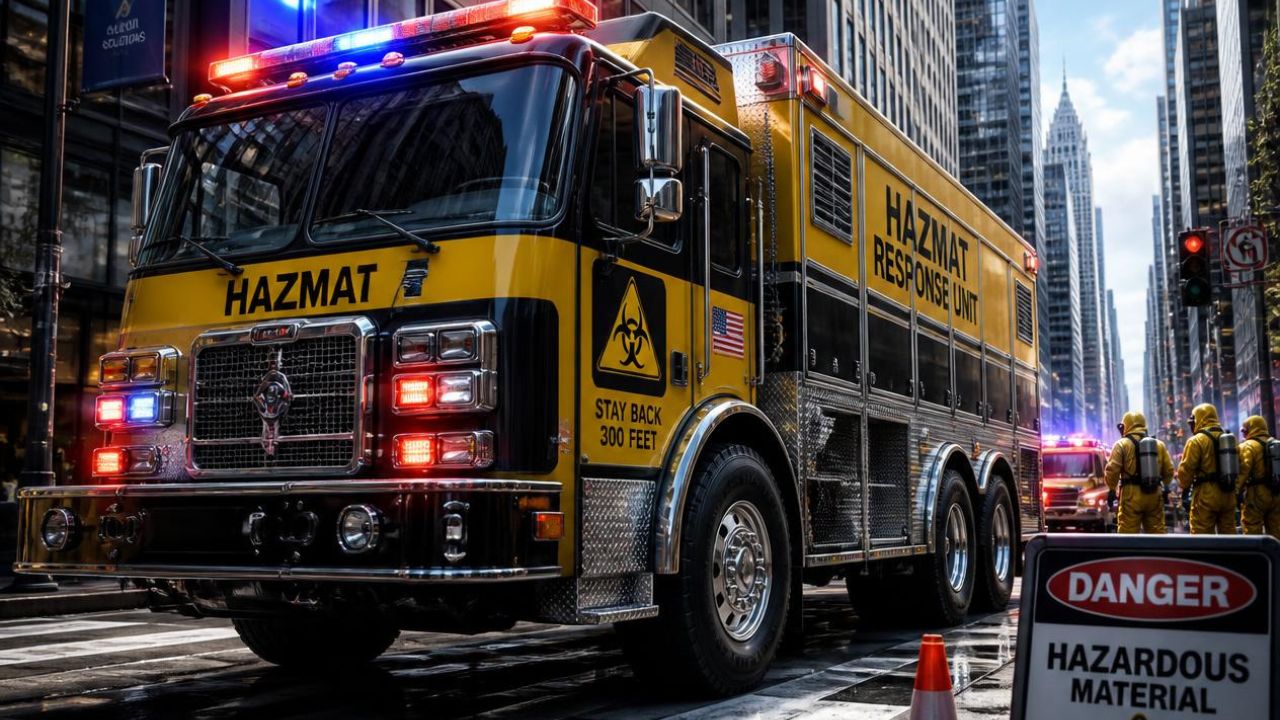
Federal Motor Carrier Safety Administration requirements apply when you transport property across state lines for hire or operate under federal for-hire authority. The minimum liability is $750,000 combined single limit for non-hazardous general freight. Hazardous materials dramatically increase requirements: $1 million for certain hazmat classes, $5 million for bulk hazmat or materials requiring placarding under 49 CFR Part 172.
For-hire interstate carriers must include the MCS-90 endorsement, a federal guarantee ensuring minimum coverage exists for public liability regardless of policy exclusions or cancellations. Understanding FMCSA MCS-90 insurance requirements is critical for interstate operations.
| Topic | FMCSA (Federal) | California MCP | Why Both Matter |
| Who Must Comply | Interstate for-hire carriers | CA commercial carriers 10,000+ lbs GVWR | Interstate carriers operating in California need BOTH filings |
| Filing Forms | BMC-91/91X + MCS-90 | MC 65 M | Different forms filed with different agencies, one doesn't satisfy the other |
| Where to File | FMCSA (federal database) | California DMV | Meeting federal requirements doesn't exempt you from state Motor Carrier Permit |
The most critical mistake interstate carriers make is assuming FMCSA compliance covers California state requirements. It doesn't. Your insurance company must file separately with both agencies. Federal preemption applies to interstate commerce regulation, but California still requires its own Motor Carrier Permit with a separate filing. Operating without both exposes you to enforcement action from federal inspectors, California Highway Patrol, and the DMV, each with authority to place your vehicle out of service immediately.
Cargo insurance is not legally required for general freight carriers under California or federal law. The $750,000 liability coverage required by the DMV and FMCSA covers bodily injury and property damage to third parties, not the cargo you're hauling. The critical exception is household goods carriers, who must maintain a minimum of $20,000 in cargo insurance under California Public Utilities Code § 5161 and register with the California Public Utilities Commission (CPUC). This requirement applies to all for-hire movers operating in California.
While legally optional for general freight, cargo insurance is contractually mandatory in practice. Shippers and freight brokers typically require $100,000 to $250,000 in cargo coverage before tendering loads. Operating without cargo insurance severely limits freight access and exposes you to catastrophic financial loss if cargo is damaged, stolen, or lost in transit. Private carriers hauling their own goods face no legal cargo insurance requirement, but should still consider coverage to protect against theft and damage.
Follow this decision workflow to identify your mandatory insurance requirements:
| What You Haul | Liability Minimum | Special Requirements | Verify With |
| General freight | $750,000 CSL | None legally (cargo insurance contractual) | DMV MCP / FMCSA if interstate |
| Hazmat | $1M-$5M CSL | Federal limits vary by classification | FMCSA hazmat rules (49 CFR 387) |
| Household goods | $750,000 CSL | $20,000 cargo insurance (legally required) | California CPUC + DMV |
Legal minimums keep you compliant with government agencies, but don't guarantee freight access. The $750,000 CSL required by California DMV and FMCSA represents bare-bones regulatory compliance. Shippers, brokers, and warehouses routinely require significantly higher coverage through contractual agreements. Most freight contracts mandate $1 million or more in liability coverage, $100,000 to $250,000 in cargo insurance, additional insured endorsements naming the shipper, and waiver of subrogation clauses.
Meeting only legal minimums means you're legal to operate, but can't access most freight opportunities. Working with a knowledgeable SoCal truck insurance broker helps ensure your coverage meets both regulatory and contractual requirements.
Common contractual insurance requirements beyond legal minimums:
Registration and Permit Consequences: Insurance lapses trigger immediate administrative action. The DMV receives an electronic notification when your MC-65 M filing is canceled. You receive a notice with 35 days to reinstate coverage. After 35 days, your Motor Carrier Permit suspends automatically. Vehicle registration can then be suspended, making every mile driven illegal. Reinstatement requires proof of new insurance, payment of fees, and potential full MCP reapplication. The process takes weeks and stops operations entirely.
Roadside Enforcement Consequences: California Highway Patrol verifies MCP status during inspections using real-time DMV database access. Officers can instantly confirm whether your insurance filing is active. Operating with suspended or invalid MCP results in immediate out-of-service orders; your truck is parked on the spot. CHP can impound the vehicle, issue citations with fines exceeding $1,000, and forward violations to the DMV for additional enforcement. CSA violation points affect your safety rating and federal compliance standing.
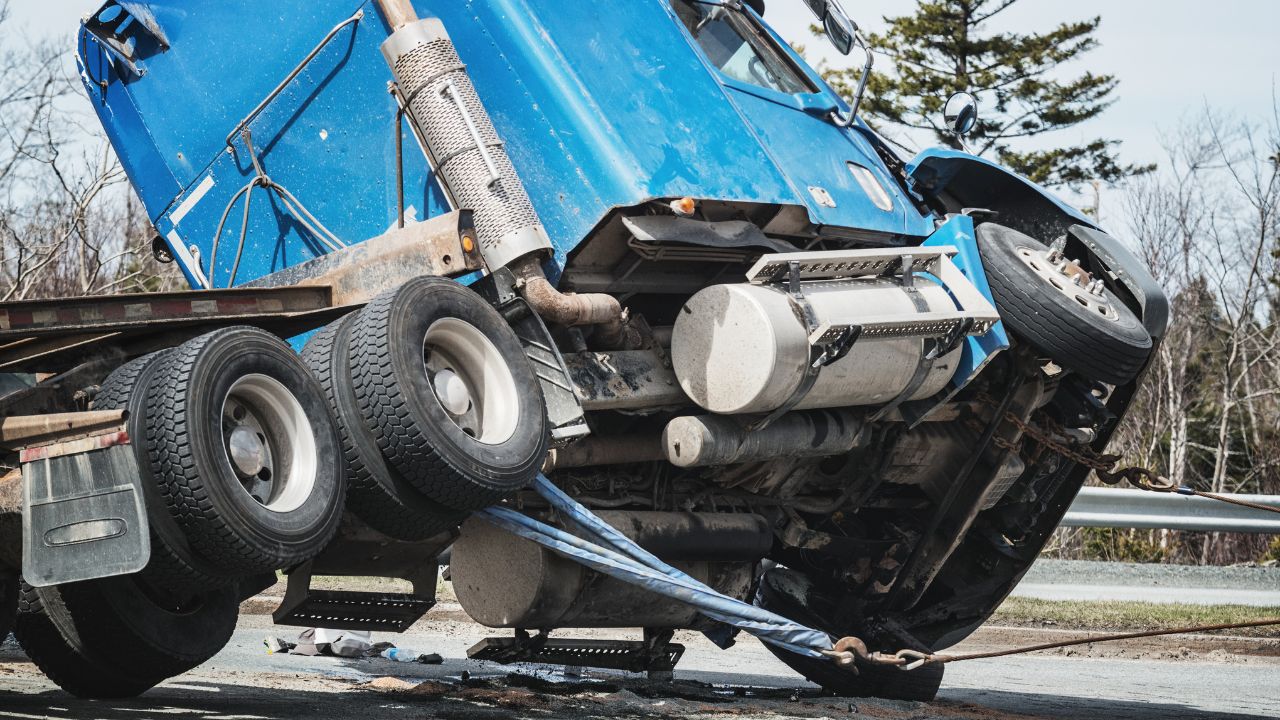
Crash Consequences: Without proper insurance, you're personally liable for all damages, often reaching hundreds of thousands or millions of dollars. No insurance company provides legal defense or representation. Severe crashes can result in criminal charges if operating without required coverage. Your driver's license can be suspended, and you may be permanently barred from obtaining commercial vehicle permits. A single uninsured crash can result in wage garnishment, property liens, and bankruptcy.
| Your Operation | Required Coverage | Required Filings | Verify With |
| CA Intrastate (For-Hire or Private) | $750,000 CSL liability; workers' comp if employees | MC 65 M with DMV; MCP permit | CA DMV Motor Carrier Services |
| Interstate (Crossing State Lines) | $750,000+ CSL liability; workers' comp for CA employees | BMC-91/91X + MCS-90 with FMCSA; MC 65 M with CA DMV | FMCSA AND CA DMV (both required) |
| Hazmat (Interstate) | $1M-$5M CSL (varies by hazmat class) | Same as interstate + verify hazmat classification | FMCSA hazmat regulations (49 CFR 387) |
| Household Goods Movers | $750,000 CSL + $20,000 cargo insurance | MC 65 M with DMV; CPUC registration | CA CPUC + DMV |
Yes, absolutely. Intrastate trucking insurance California requirements apply to both interstate and intrastate operations. If you haul property commercially with a vehicle rated at 10,000 lbs GVWR or more, even if you never leave California, you must obtain an MCP, maintain $750,000 CSL liability coverage, and have your insurer file Form MC 65 M with the DMV. An intrastate-only operation does not exempt you from state requirements.
These are separate forms filed with different agencies. MC 65 M is California's certificate of insurance filed with the DMV to establish and maintain your Motor Carrier Permit. BMC-91 or BMC-91X is the federal form filed with FMCSA to establish interstate operating authority. Interstate carriers need both; meeting one requirement does not satisfy the other. Your insurance company must file separately with the DMV and FMCSA.
Yes. Any interstate commerce, regardless of frequency, triggers full federal requirements. You need a USDOT number, MC operating authority (if for-hire), BMC-91 or BMC-91X filing with FMCSA, MCS-90 endorsement, and minimum $750,000 CSL liability coverage. "Occasional" interstate trips don't create a partial exemption. One trip across state lines means you operate in interstate commerce.
If you have zero employees, California allows sole proprietors to file a workers' compensation exemption. This exemption means you have no coverage for your own injuries. The moment you hire even one driver, part-time, full-time, or temporary, you must obtain workers' compensation insurance immediately. The exemption only covers the owner-operator working alone.
California commercial truck insurance requirements depend entirely on your specific operation, vehicle GVWR, cargo type, and whether you cross state lines determine which regulations apply. Most commercial operations require $750,000 minimum liability through California's Motor Carrier Permit, but interstate and hazmat carriers face additional federal FMCSA obligations with separate filings. The three-layer structure, basic registration, state MCP, and federal authority, means many carriers need to comply with multiple agencies simultaneously.
Work with a commercial truck insurance broker with agents who understand both California DMV and FMCSA filing requirements. Non-compliance results in permit suspension, immediate out-of-service orders, and devastating personal financial liability. Verify your exact requirements before putting any truck on the road.
Need expert guidance on your California truck insurance requirements? Contact SoCal Truck Insurance for a compliance review and customized coverage quote.