Key Takeaways:
Winter transforms trucking insurance fundamentally. Claims spike, premiums adjust, and operational risks multiply. Understanding these seasonal shifts separates fleets that control costs from those accepting whatever carriers impose. Insurance carriers track winter performance closely, and historical data shows predictable increases that directly influence pricing and coverage availability.
Winter creates distinct insurance conditions that differ fundamentally from other seasons. Carriers recognize these months as elevated risk periods requiring adjusted pricing and coverage approaches.
Insurance carriers use historical data to identify seasonal loss trends. Predictable increases in claims frequency and severity during winter months, especially December, lead to higher perceived risk. Winter weather introduces significant operational hazards including snow, ice, and reduced visibility. The combination of peak freight volume and hazardous weather creates high-exposure periods that carriers price accordingly.
Physical damage and collision coverage experience the most dramatic winter shifts. Cargo coverage sees seasonal changes due to weather and theft patterns. Liability coverage responds to increased accident frequency and severity. Workers' compensation claims increase from slip-and-fall incidents at loading facilities. Breakdown assistance coverage sees higher usage during cold weather as equipment failures multiply. Each coverage type requires seasonal evaluation because winter fundamentally alters the risk profile insurers are pricing.
Carriers adjust rates and underwriting guidelines based on seasonal data. Winter months showing elevated activity across multiple years allows precise risk pricing adjustments. This results in hard insurance markets where carriers increase base rates. Underwriting guidelines tighten when frequency and severity increase. Standard assumptions about safe operating conditions no longer apply when ice, reduced visibility, and compressed timelines become operational norms.
Multiple factors converge during winter to elevate risk beyond normal operating conditions. Weather, operational pressure, and physics combine to create measurably higher exposure.
Accident risk for truckers quadruples in winter weather conditions. Snow factored in 1.5% of fatal crashes, 2.0% of injury crashes, and 2.5% of property damage crashes involving large trucks according to 2020 FMCSA data. Snow, ice, and reduced visibility make highways treacherous for large commercial trucks. Icy roads and poor visibility lead to sharp increases in collisions, jackknifes, and rollovers. The physics of operating heavy equipment on ice dramatically reduces safety margins regardless of driver skill or experience.
Driver fatigue factors in up to 13% of all large truck crashes. Pressure to meet holiday deadlines often leads drivers to push endurance limits, resulting in dangerous fatigue levels. Demanding schedules increase Hours of Service violations. Fatigue impairs judgment, slows reaction times, and significantly increases likelihood of catastrophic accidents. Shorter daylight hours mean more driving occurs in darkness when visibility already suffers from weather conditions.
Trucking accidents rise approximately 20% during peak holiday periods like Christmas and New Year's Eve. Holiday season drives massive consumer demand surges, placing extraordinary pressure on supply chains. December sees general traffic volume increases as people travel for holidays. Congestion combined with more large trucks on roads creates higher collision probability. Understanding commercial truck insurance requirements becomes critical when seasonal factors multiply standard operating risks.
Winter doesn't just increase claim frequency—it changes the types and costs of claims that occur. These pattern shifts directly impact how carriers price coverage.
Icy roads and poor visibility lead to sharp increases in collisions, jackknifes, and rollovers. These incidents result in costly physical damage claims. The severity of accidents in winter conditions, combined with potential driver fatigue as a contributing factor, increases nuclear verdict risk. Nuclear verdicts represent multi-million dollar jury awards in liability cases. More slip-and-fall incidents at loading docks, truck stops, and facilities lead to workers' compensation claims. Winter claims tend toward higher severity because adverse conditions amplify the consequences of any incident.
Accidents in winter weather often result in cargo damage. Increased cargo losses stem from both accidents and theft. Holiday season represents the peak period for cargo theft when high-value goods transit in concentrated volumes. Thieves operate more actively during holidays when valuable consumer products fill trailers. Temperature-sensitive cargo faces additional exposure from extreme cold and equipment failures.
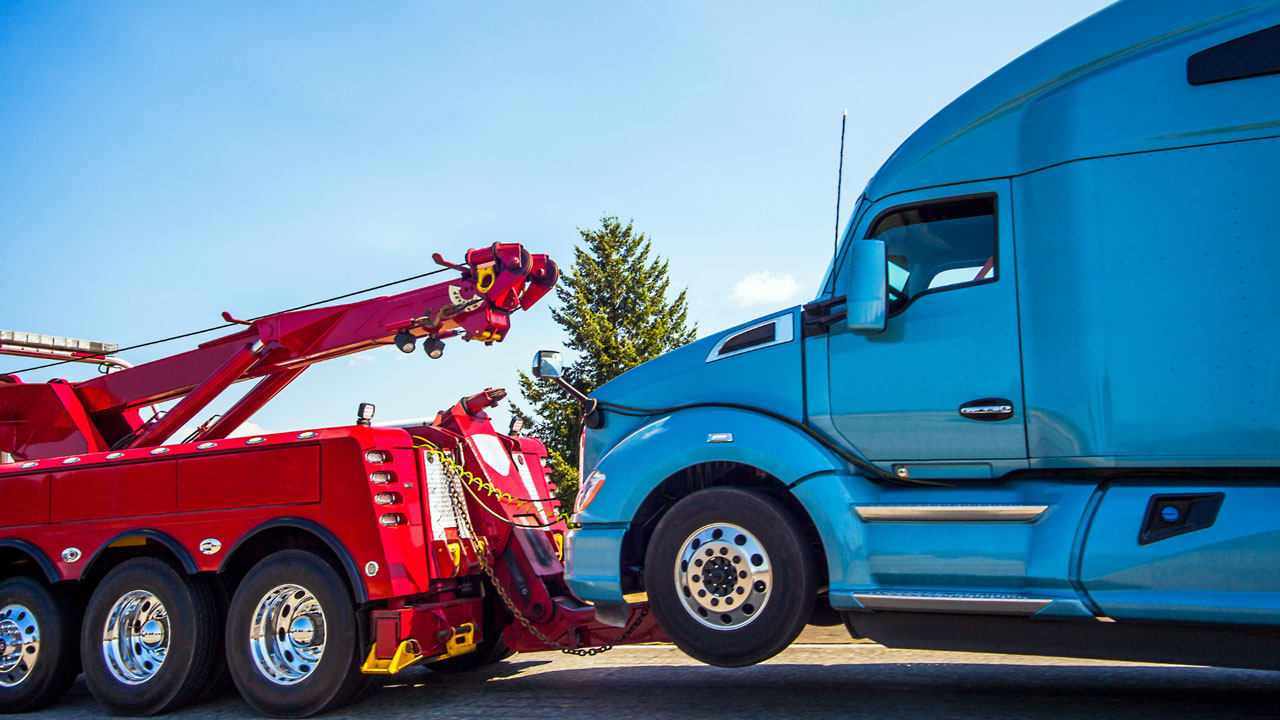
Rising physical damage and collision claims result from icy roads and poor visibility. Cold weather strains equipment. Winter months see increased claims for towing and breakdown assistance. Engine problems, frozen fuel lines, and weather-related mechanical failures contribute to physical damage costs. Higher breakdown assistance usage stems from cold weather effects on equipment. Accidents that might cause minor damage in dry conditions total vehicles when ice eliminates control. Secondary damage from vehicles sliding after initial impact compounds severity.
Carriers don't passively accept winter losses. They systematically adjust pricing and terms to account for seasonal patterns they observe in loss data.
Predictable increases in claims frequency during winter months lead to higher perceived risk for the entire industry. This results in hard insurance markets where carriers increase base rates. When data shows winter produces 20-30% more claims than average months, carriers adjust premiums to account for elevated exposure periods. Carriers track claims by month across multiple years to identify seasonal patterns. These adjustments don't wait for individual fleet losses—market-wide winter trends affect all policyholders through base rate changes.
Carriers may tighten underwriting guidelines after winter losses. They may reduce coverage amounts they're willing to offer. Higher deductibles can lead to direct premium reductions but require financial reserves to cover higher out-of-pocket costs. Scrutinize policy exclusions for radius of operation, commodities hauled, and driver restrictions. Winter performance that exceeds carrier expectations triggers defensive underwriting responses. Similar to how seasonal wildfires and natural disasters affect truck insurance, winter conditions prompt carriers to reassess risk tolerance.
Loss ratio represents the ratio of incurred losses—claims paid and reserved—to earned premiums. High loss ratios, especially those driven by year-end claims, are major red flags for insurers. This indicates the company isn't profitable to insure and will almost certainly lead to substantial premium increases or non-renewal. Winter loss ratios directly influence annual renewal pricing calculations. Carriers calculate these ratios when pricing renewals, meaning December losses immediately impact January renewal quotes. Even fleets with clean spring and summer records face increases if winter performance deteriorates.
Systematic evaluation reveals whether your winter risks match your coverage. This analysis guides strategic adjustments before problems emerge.
Compare winter performance against other months to reveal whether issues are seasonal or systemic. Historical data showing consistent seasonal spikes differs from year-round problems. Analyze whether winter claims stem from weather, time pressure, or other controllable factors. Multi-year winter performance analysis reveals true patterns. Single-year anomalies shouldn't drive major changes. Consistent winter problems indicate operational issues requiring correction rather than just insurance adjustments.
Proactively share and verify telematics data with insurers. Telematics provides real-time data on driver behavior, allowing targeted coaching and risk mitigation. Run updated Motor Vehicle Records for all drivers. Conduct full fleet schedule audits verifying all vehicle additions, deletions, and changes in use. Verify Biennial Update (MCS-150) status and actively monitor CSA scores. Maintenance logs showing systematic pre-winter equipment preparation demonstrate proactive risk management. Data beats anecdotes when negotiating with underwriters.
Begin renewal processes 90-120 days in advance to give brokers ample time to shop policies to multiple carriers. Questions about how winter claim history affects renewal pricing. Understanding CSA score implications from winter incidents. Discussing risk mitigation strategies to offset seasonal exposure. Questions about radius restrictions and operational limitations during winter. Ask carriers which specific winter metrics they weigh most heavily in underwriting decisions. Request clarity on what documentation supports more favorable winter pricing.
Coverage that works in summer may prove inadequate when winter multiplies exposure. Strategic adjustments align protection with seasonal reality.
Carry $1,000,000 minimum in auto liability coverage, exceeding FMCSA's $750,000 minimum. This industry standard provides adequate protection against catastrophic claims. Severity of accidents in winter conditions increases nuclear verdict risk. Review whether current limits adequately protect against worst-case scenarios given seasonal operations. Winter's elevated frequency and severity mean the statistical probability of a catastrophic claim increases precisely when carriers scrutinize performance most closely. Consider whether your limits protect against winter worst-case scenarios or just summer baseline risks.
Update vehicle values to reflect current Actual Cash Value or Stated Amount. This prevents over- or under-insurance and ensures accurate claim payouts. Optimize deductibles—increasing deductibles leads directly to premium reductions. Essential to ensure financial reserves cover higher out-of-pocket costs in claim events. Set deductibles based on the company's financial capacity and risk tolerance. Winter's higher claim frequency makes deductible levels more consequential. Calculate whether premium savings justify increased exposure if winter generates multiple claims.
Adjust Motor Truck Cargo limits based on maximum freight value hauled, not averages. High-value loads may require $250,000 or more in limits. Holiday shipping increases both volume and value of goods transported. Cargo theft spikes during holiday season requiring enhanced coverage consideration. Temperature-controlled cargo needs specific protection when equipment failures risk spoilage. Standard cargo coverage may exclude temperature-related losses without specific endorsements. Review whether your cargo limits match December's highest-value loads or reflect annual averages that understate winter exposure.
Winter impacts vary dramatically by geography. Understanding regional patterns helps calibrate appropriate coverage and risk management responses.
Winter weather varies significantly by region. California, Arizona, and Texas each have distinct winter weather patterns affecting claim types. California mountain passes present different risks than lower elevation routes. Regional weather variations mean winter risk differs by operating territory. Commercial truck insurance in California accounts for these unique regional factors. Mild-winter states still experience seasonal freight surges and traffic increases even without severe weather. Holiday operational pressure affects all regions uniformly.
Holiday freight surge affects all regions regardless of weather patterns. Increased traffic volume during holidays creates collision risk even in mild climates. Some regions experience more severe winter conditions leading to higher claim severity. Desert regions face unique winter challenges including sudden temperature drops and occasional ice. Equipment designed for warm climates may lack cold-weather protections, creating mechanical failure risks during occasional freezes. The impact of climate change on commercial truck insurance means traditional weather patterns no longer reliably predict seasonal risks.
Multi-state operations face varying compliance obligations. Fleets running multiple states face varied exposure across their operations. Interstate operations create complexity requiring comprehensive winter risk planning. Policy exclusions for radius of operation must account for multi-state winter travel. A fleet based in Arizona but hauling through Colorado faces dramatically different winter risks than purely intrastate operations. Carriers underwrite based on worst-case exposure, meaning any winter-state operations influence pricing regardless of base location.
Prevention costs less than claims. Documented safety practices demonstrate risk management commitment that influences underwriting decisions.
Implement and document formal safety programs. Include regular driver training, pre-trip inspection protocols, and clear accident response plans. Well-documented safety programs demonstrate commitment to risk management and can lead to significant discounts. Regular driver training as part of formal safety programs reduces accident risk. Training addresses human factors that cause most accidents. Winter-specific modules covering ice, reduced visibility, and equipment cold-weather preparation prove operational commitment beyond generic safety talk.
Pre-trip inspection protocols are essential components of formal safety programs. Strong safety records backed by year-end compliance audits serve as powerful negotiating tools. Documentation of systematic maintenance processes proves commitment to risk management. Underwriters credit fleets demonstrating proactive equipment management. Winter tire specifications, brake inspections, and fluid checks become critical when operating conditions deteriorate. Systematic documentation shows underwriters you're managing seasonal risks actively rather than hoping for luck.
Telematics and in-cab video represent the most effective ways to reduce insurance costs. Technology provides real-time data on driver behavior, allowing targeted coaching and risk mitigation. Provides invaluable evidence to exonerate drivers in not-at-fault accidents, protecting loss ratios. Many insurers offer substantial discounts up to 40% for fleets that share their telematics data. Telematics proves particularly valuable during winter when accident frequency increases. Real-time monitoring allows intervention before dangerous situations become claims. Video evidence prevents fraudulent claims that spike during holiday periods when scammers target commercial vehicles.
Strong winter performance provides leverage. Data-driven negotiations produce better results than general safety claims lacking supporting evidence.
Strong safety records backed by year-end compliance audits serve as powerful negotiating tools. Document all corrective actions taken after winter incidents. Show underwriters you're addressing root causes, not just reacting to individual claims. Complete documentation shows underwriters you're managing risks systematically. Compare your winter performance against industry averages. Demonstrating better-than-market performance justifies better-than-market pricing. Present data showing year-over-year winter improvement trends.
CSA Compliance, Safety, Accountability scores are primary indicators of fleet safety performance from FMCSA. High CSA scores, particularly with alerts in key categories like Unsafe Driving or HOS Compliance, signal higher risk to underwriters. Clean Motor Vehicle Records can qualify drivers for preferred rates. Telematics data showing improved driver behavior metrics. Reduced winter claim frequency and severity compared to previous years. Metrics showing improved winter performance relative to industry trends carry particular weight because they demonstrate effective risk management during elevated exposure periods.
Begin renewal processes 90-120 days in advance to allow time for proper negotiation. Proactive stance facilitates competitive quoting, negotiation of terms, and implementation of risk mitigation measures. Strong safety performance during high-risk winter periods provides leverage for better terms. Request adjustments when winter performance significantly exceeds carrier expectations. Don't wait for carriers to recognize improved performance—present data proactively demonstrating earned rate reductions. Time requests to coincide with renewal discussions when underwriters are actively evaluating your risk profile.
Strategic preparation separates cost-conscious operations from those accepting market conditions passively. Implementation determines whether analysis translates into savings.
Conduct thorough audits of vehicle and equipment schedules. Remove any units sold or no longer in use. Paying for insurance on phantom vehicles is a common and easily avoidable expense. Ensure all current drivers are listed and terminated drivers removed. Verify driver classifications—ensure all drivers are correctly classified based on roles and driving records. Update fleet inventories before winter begins so coverage matches actual equipment. Address compliance gaps before they become underwriting issues. Schedule winter-specific driver training before seasonal pressures build.
Establish systematic processes for annual winter risk review. Create calendar reminders for 90-120 day advance renewal preparation. Implement continuous safety and compliance monitoring throughout the year. Build relationships with carriers through consistent proactive management. Document winter strategies and their effectiveness for year-over-year improvement. Systematic approaches eliminate recurring problems and create compounding improvement patterns. What works this winter becomes the baseline for next year. Continuous refinement produces sustained cost advantages competitors can't match through one-time fixes.
Never automatically renew policies. Begin renewal processes 90-120 days in advance to give brokers ample time to shop policies to multiple carriers. This creates competition and ensures getting the best possible terms. For larger fleets, explore alternative risk financing options including captive insurance and group captives. Alternative risk financing can provide significant long-term savings. Paying annual truck insurance premiums before December 31st allows expenses to be claimed as tax-deductible business expenses in the current tax year. Coordinate timing so winter performance data informs renewal negotiations rather than getting locked into rates before demonstrating seasonal capabilities.
Winter fundamentally alters trucking insurance economics. Claims frequency and severity increase predictably during cold months. Carriers respond through adjusted pricing, tighter underwriting, and modified coverage terms. Fleets that understand these dynamics and prepare systematically control costs while those ignoring seasonal patterns accept whatever terms carriers impose.
SoCal Truck Insurance specializes in helping California, Arizona, and Texas fleets navigate seasonal insurance dynamics. Our understanding of regional winter patterns and carrier pricing strategies helps clients optimize coverage while controlling costs. We coordinate renewal timing to leverage winter performance data during negotiations. Don't let seasonal risk patterns dictate your insurance costs. Contact us today to develop comprehensive winter risk strategies that position your fleet for favorable underwriting treatment and competitive pricing year-round.