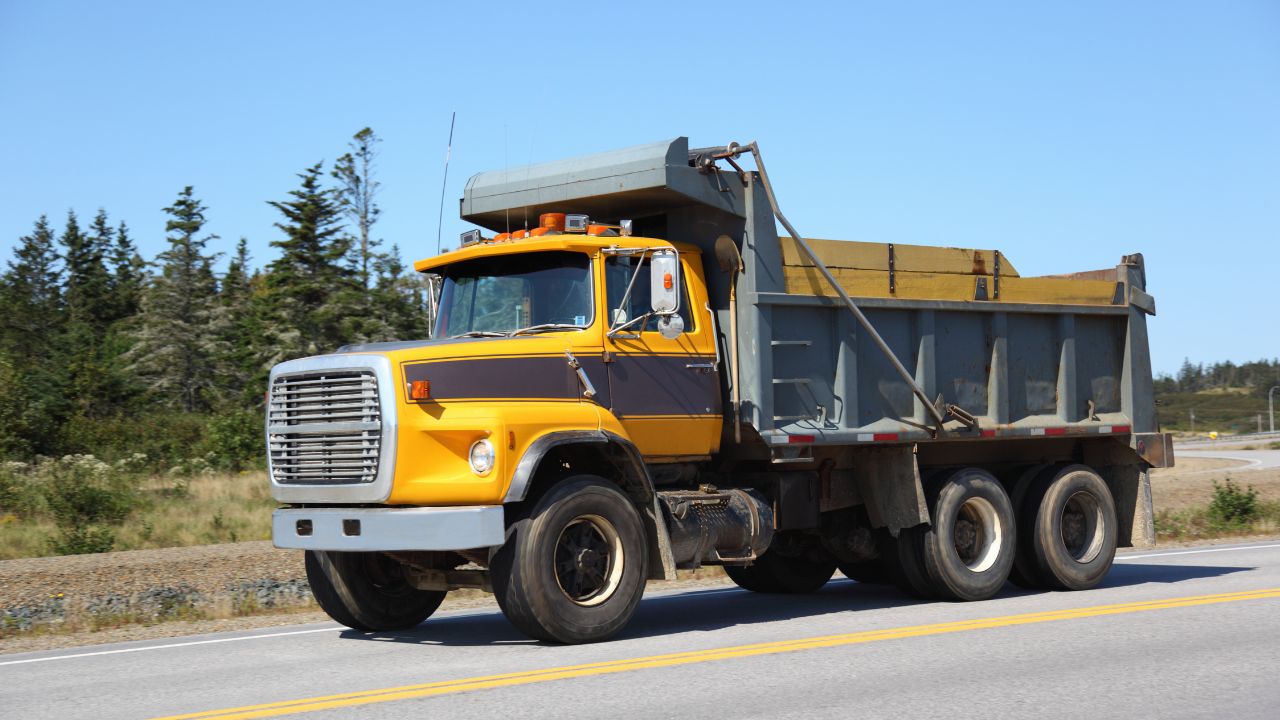
California's dump truck insurance market presents unique challenges for owner-operators and fleet managers navigating regulatory requirements and rising costs. Understanding pricing structures, coverage components, and market trends enables informed decisions when evaluating insurance options. The state's commercial trucking sector requires specialized policies addressing liability exposure, equipment protection, and operational demands specific to dump truck operations.
Effective dump truck quote comparison requires analyzing multiple factors, including operational radius, driver experience, and coverage limits. Market data shows pricing varies significantly based on business structure, with new ventures paying 40% more annually than established operators. Strategic insurance selection directly impacts profitability and risk management for California's dump truck businesses.
Key Takeaways
Dump truck insurance protects operators from financial losses related to vehicle damage, liability claims, and cargo incidents. This specialized coverage addresses risks inherent to construction hauling and material transport operations. Policies combine mandatory liability protection with optional coverages tailored to operational needs and asset values.
California operators face strict regulatory oversight requiring minimum coverage limits for commercial truck operations. Adequate dump truck insurance coverage requirements and risks protection prevent catastrophic financial losses from accidents that could terminate business operations. Insurance requirements vary based on gross vehicle weight, cargo type, and operational radius.
Compulsory insurance comprises 64% of the market, reflecting mandatory liability and cargo requirements. Optional coverage accounts for 36%, including physical damage, comprehensive protection, and specialized endorsements. Basic liability coverage protects against third-party injury and property damage claims.
Physical damage insurance covers repair or replacement costs for the insured dump truck after collisions. Comprehensive coverage protects against non-collision events, including theft, vandalism, fire, and weather damage. Additional endorsements address specialized risks such as environmental liability and equipment breakdown protection.
Semi-trailer trucks hold 42% market share, while dump trucks represent 18% of commercial truck insurance. Tank trucks and other specialized vehicles combine for 40% of the remaining market. Coverage differences reflect distinct operational risks, cargo types, and usage patterns between vehicle categories.
Dump truck policies emphasize construction site liability and material spillage protection compared to over-the-road freight coverage. Premium calculations account for a shorter operational radius but a higher frequency of loading and unloading cycles. Physical damage coverage costs more for dump trucks due to harsh operating environments and equipment exposure.
Compulsory insurance includes minimum liability limits mandated by state and federal authorities for commercial operations. California requires proof of financial responsibility meeting Federal Motor Carrier Safety Administration standards. Operators must maintain continuous coverage and file appropriate documentation with regulatory agencies.
Insurance requirements for new trucking companies include liability minimums of $750,000 for general freight operations. Hazardous material haulers face higher minimum coverage thresholds based on cargo classification. California imposes additional state-specific requirements beyond federal baseline standards for intrastate commerce.
Pricing structures reflect the underwriting assessment of operational risk, driver qualifications, and claims history. Insurers evaluate multiple rating factors to determine premium amounts. California's average annual cost of $11,834 ranks 42nd nationally, indicating moderate pricing compared to other states.
Commercial truck insurance California rates fluctuate based on market conditions and loss experience within specific regions. Underwriters apply credit-based insurance scores, loss ratios, and predictive modeling to calculate premiums. Geographic location within California significantly impacts final pricing due to varying accident rates and litigation environments.
Driver demographics show 72% of the population aged 40 and older with established safety records. Operators under 35 represent 20% and face higher premiums due to limited experience. Drivers aged 55 and older comprise 25% of the market with mixed premium impacts based on individual safety history.
Experience level directly correlates with insurance costs, with new operators paying substantially more than seasoned professionals. Vehicle age, maintenance records, and safety equipment installations affect underwriting decisions. Annual mileage, operational radius, and cargo types create additional pricing variables.
Monthly dump truck insurance ranges from $400 to $1,200+, depending on coverage selections and risk profile. Annual costs span $4,800 to $14,400+ with significant variation between budget and premium tiers. Owner-operator local operations typically cost $8,000 to $12,000 annually.
Owner-operators with a broader operational radius pay $12,000 to $16,000 annually due to increased exposure. New ventures face $14,000 to $20,000+ annual premiums reflecting limited operating history. Budget options provide minimum required coverage while premium tiers include comprehensive protection and lower deductibles.
Southern California accounts for 35% of commercial trucks. The Central Valley represents 28% of the state's commercial truck population with an agricultural and construction focus. Urban areas demonstrate different risk profiles than rural regions based on traffic density and accident frequency.
Geographic rating factors consider local repair costs, medical expenses, and litigation trends within specific territories. Population density correlates with increased collision frequency but shorter average trip distances. California's litigation environment and nuclear verdict trends pressure rates upward across all regions.
Cost and premium price score 95 out of 100 in importance ranking for insurance purchasers. Coverage options rank second at 88, indicating buyers balance affordability with adequate protection. Price sensitivity reflects tight profit margins in trucking operations where insurance represents a significant overhead expense.
Claims service quality scores 92, demonstrating that purchasers value responsive support during loss events. Carrier reputation registers 85 importance, while financial stability scores 80. Ease of quoting ranks lowest at 75, but remains relevant for time-constrained operators.
Premium price dominates decision-making as operators seek to control fixed costs without sacrificing essential protection. Coverage options follow closely as purchasers evaluate policy features against operational risk exposure. Balancing affordable premiums with adequate limits requires understanding which coverages provide necessary protection.
How to lower dump truck insurance costs involves strategic deductible selection and elimination of unnecessary endorsements. Bundling multiple policies or vehicles typically generates meaningful discounts. Loss control programs and safety training demonstrate risk management commitment that can reduce premium charges.
Claims service quality directly impacts business continuity when accidents occur, requiring immediate equipment repairs. Responsive adjusters and efficient processing minimize downtime costs that exceed insurance premium savings. Poor claims handling creates secondary losses through delayed payments and prolonged equipment unavailability.
Carrier reputation reflects historical performance, including claims settlement practices and financial strength. Third-party ratings from AM Best provide objective assessments of insurer stability. Customer reviews reveal practical service experiences beyond marketing claims and policy language.
Financial stability ensures carriers maintain the ability to pay claims during catastrophic loss events. Insurer ratings above A- indicate strong financial position and reliable claims-paying capacity. Companies with inadequate reserves risk insolvency, leaving policyholders without coverage when needed most.
Ease of quoting reflects streamlined application processes, reducing administrative burden. Digital platforms enable faster quote generation but require accurate data input for precise pricing. Complex underwriting requirements extend quote timelines but may produce more competitive final pricing.
Global commercial truck insurance markets reached USD 166.99 billion in 2026, with projections of USD 341.03 billion by 2035. The 8.5% compound annual growth rate reflects expanding commercial vehicle fleets and increasing coverage adoption. U.S. commercial truck fleet insurance specifically shows 6.2% CAGR from 2026 through 2033.
Growth drivers include regulatory mandate expansion, increased liability exposure, and rising replacement costs for modern equipment. The impact of rising insurance rates on California trucking business operations challenges profitability across the transportation sector. Market expansion creates opportunities for specialized coverage products but maintains upward pressure on premium pricing.
Industry forecasts anticipate sustained growth through 2035, driven by commercial vehicle proliferation and risk awareness. Dump truck segments capture 18% market share with steady growth potential in the construction and infrastructure sectors. Fleet truck insurance continues expanding as owner-operators consolidate and larger entities dominate market share.
Technology integration and telematics adoption enable new pricing models based on actual driving behavior. Emerging coverage needs around autonomous vehicle technology and alternative fuel equipment create market evolution opportunities. Increased regulatory scrutiny drives compliance-focused insurance product development.
Record cargo theft levels in 2024 elevated security concerns, with continued elevated theft rates through 2025. Property crime trends force carriers to increase comprehensive coverage pricing. Nuclear verdicts exceeding $10 million in single liability claims dramatically increase loss severity across commercial auto insurance.
Litigation costs drive commercial auto liability combined ratios above 113%, indicating unprofitable underwriting results. Plaintiff attorney specialization in trucking litigation increases settlement amounts and defense costs substantially. Social inflation amplifies jury awards beyond historical norms, creating pricing pressure across all commercial vehicle categories.
Urban areas show 78% adoption rates for comprehensive dump truck insurance beyond the minimum required coverage. Suburban regions demonstrate 65% adoption, reflecting moderate risk awareness. Rural areas lag at 52% adoption due to cost sensitivity and perceived lower risk exposure.
Geographic adoption variations reflect insurance availability, pricing differences, and local market competition. Comparing California truck insurance quotes and providers reveals significant regional rate disparities within the state. Population density correlates with both higher premiums and greater coverage adoption rates.
Owner-operators function as independent truck drivers who own their vehicles and contract directly with shippers. These individuals require different coverage structures than fleet operations managing multiple vehicles and drivers. Strategic insurance selection aligns policy features with specific operational characteristics and risk tolerance levels.
Fleet managers prioritize risk management systems and bulk pricing advantages. Individual operators focus on asset protection and affordable coverage meeting regulatory minimums. Both groups benefit from understanding market dynamics and leveraging available data for informed purchasing decisions.
Owner-operator insurance typically costs less annually but provides narrower coverage than commercial fleet policies. Independent operators purchasing single-vehicle policies lack volume discounts available to larger fleet operations. Coverage customization differs with owner-operators selecting personal protection options unavailable in fleet master policies.
Fleet policies bundle multiple vehicles under unified coverage terms, streamlining administration and often reducing per-unit costs. Large fleets negotiate favorable terms, leveraging purchasing power and demonstrated safety records. Commercial fleet insurance includes hired and non-owned auto coverage protecting against independent contractor liability.
Local operation within limited geographic areas typically costs less than regional or nationwide operating authority coverage. Radius restrictions reduce premium amounts but limit operational flexibility for growth opportunities. Mileage-based pricing reflects actual exposure more accurately than flat-rate policies.
Seasonal operations require coverage adjustments, preventing premium waste during inactive periods while maintaining continuous protection. Specialized hauling, including hazardous materials or oversized loads, demands enhanced liability limits and specific endorsements. Usage patterns directly impact both pricing and appropriate coverage selections for the best dump truck insurance rates.
Average driver age data helps operators understand how their demographic profile impacts premium calculations. Regional concentration statistics reveal competitive market areas where multiple carriers seek business with aggressive pricing. Market share information identifies dominant carriers with potential economies of scale, benefiting customers.
Consumer priority rankings guide decision frameworks, emphasizing factors most likely to impact operational success. Growth projections inform long-term planning and potential coverage expansions as businesses scale. Understanding combined ratios and market profitability helps evaluate carrier stability and pricing sustainability.
Commercial auto liability combined ratios around 113% indicate carriers lose money on underwriting activities. Unprofitable underwriting forces insurers to increase rates, restrict coverage, or exit markets entirely. Dump truck quote comparison becomes more challenging as carriers tighten underwriting standards and reduce risk appetite.
Market challenges create opportunities for operators with strong safety records and modern equipment investments. Carriers increasingly reward proactive risk management with favorable pricing and expanded coverage options. Technology adoption positions forward-thinking operators for premium reductions while enhancing operational safety.
Combined ratios measure insurance profitability by comparing losses and expenses against earned premiums. Ratios above 100% indicate unprofitable underwriting requiring rate increases or portfolio adjustments. Commercial auto liability consistently produces elevated combined ratios, pressuring carriers to implement rate corrections.
Operators managing claims effectively maintain a favorable loss experience, supporting competitive renewal pricing. Pre-accident planning, including dash camera installation and driver training programs, demonstrates risk management commitment. Clean loss histories enable access to preferred carrier markets with better pricing and coverage terms.
Nuclear verdicts refer to extremely high litigation settlements exceeding $10 million in single-truck accident claims. These catastrophic awards disproportionately impact insurance pricing across all operators regardless of individual safety records. California's litigation environment ranks among the most challenging nationally for commercial vehicle defendants.
Excess liability coverage protects against catastrophic losses exceeding primary policy limits at a relatively affordable cost. Umbrella policies provide additional millions in coverage layered above primary liability protection. Legal defense costs alone can exceed policy limits, requiring adequate coverage buffers.
Telematics technology monitors vehicle performance, driver behavior, and operational patterns, enabling usage-based insurance pricing. Advanced Driver Assistance Systems, including collision avoidance and lane departure warnings, reduce accident frequency. Carriers offer measurable premium discounts for verified technology installation and consistent data sharing.
Safety monitoring systems demonstrate proactive risk management meriting favorable underwriting consideration during quote comparison. GPS tracking and electronic logging devices provide operational transparency, supporting accurate pricing models. Dash cameras protect against fraudulent claims while encouraging safer driving behavior.
Systematic quote comparison requires structured evaluation across multiple carriers and coverage options simultaneously. Price matrices organize premium amounts by coverage tier, enabling direct comparison of similar policy structures. Comprehensive evaluation considers both quoted premiums and policy features, including deductibles, limits, and endorsements.
Effective dump truck quote comparison balances cost concerns with coverage adequacy and carrier service quality. Quote comparison tips include obtaining proposals from a minimum of five carriers representing different market segments. Standardizing coverage requests across all quotes ensures accurate pricing comparisons.
Price matrices organize quotes by coverage level and operational characteristics for systematic evaluation. Budget, mid-range, and premium tiers display cost differentials for similar coverage amounts across carriers. Structured comparison identifies outlier pricing, indicating potential coverage gaps or exceptional value opportunities.
Operators should compare truck insurance quotes and dump truck policies using consistent coverage specifications for meaningful analysis. Annual versus monthly payment options impact cash flow, but total cost remains the primary decision factor. Multi-year pricing commitments may provide rate guarantees protecting against market increases.
Policy comparison extends beyond premium amounts to examine specific coverage terms and exclusion language. Claims service reviews and customer testimonials reveal practical experiences during loss events. Some carriers specialize in dump truck operations, offering como funciona el seguro para camiones semirremolque expertise and tailored coverage options.
Service quality metrics include claims response time, adjuster availability, and policyholder satisfaction ratings. Digital service platforms enable convenient policy management and documentation access, reducing administrative burden. Direct agent access versus call center routing impacts service experience during critical situations.
Financial strength ratings assess a carrier's ability to pay claims during adverse economic conditions or catastrophic loss events. Companies maintaining an A or higher rating demonstrate fiscal stability and adequate reserve funding. Regulatory compliance history reveals carriers facing solvency concerns or consumer complaint patterns.
Market reputation reflects long-term performance, including claims settlement fairness and pricing stability. Industry tenure indicates established operations versus startup carriers, potentially offering aggressive pricing but uncertain staying power. Fleet truck insurance requires a carrier stability, ensuring continuous coverage without forced market shopping mid-policy term.
California's dump truck insurance landscape reflects a complex interplay between regulatory requirements, market dynamics, and operational realities. Owner-operators and fleet managers face rising costs amid challenging profitability conditions across commercial auto insurance. Strategic selection requires balancing affordability with adequate protection, addressing both mandatory requirements and operational risks.
Market data demonstrates significant pricing variation based on business structure, operational characteristics, and individual risk profiles. Technology adoption and proactive risk management offer tangible premium reduction opportunities. Understanding consumer priorities and market trends enables informed decisions, protecting business assets while controlling insurance costs. SoCal Truck Insurance brings 25+ years of specialized experience helping California operators navigate these market complexities with tailored coverage solutions.
Comparing quotes only pays off when someone reads the fine print with you. At SoCal Truck Insurance, that someone is a dedicated agent who works dump truck accounts every day and knows what California operators are up against, from FMCSA filing minimums to the radius and loading cycles that move your rate. We pull quotes across our carrier partners, line up coverage on the same terms so you compare apples to apples, and flag the endorsements worth paying for and the ones you can cut.
With 25+ years insuring owner-operators and fleets across Southern California, we keep it straight: the right liability limits, physical damage that fits how hard your truck works, and claims support that gets you back on the job fast. Bilingual service, available 24/7.
Contact us or stop by our office at 8135 Florence Ave #101, Downey, CA 90240 to compare your options today.