Key Takeaways
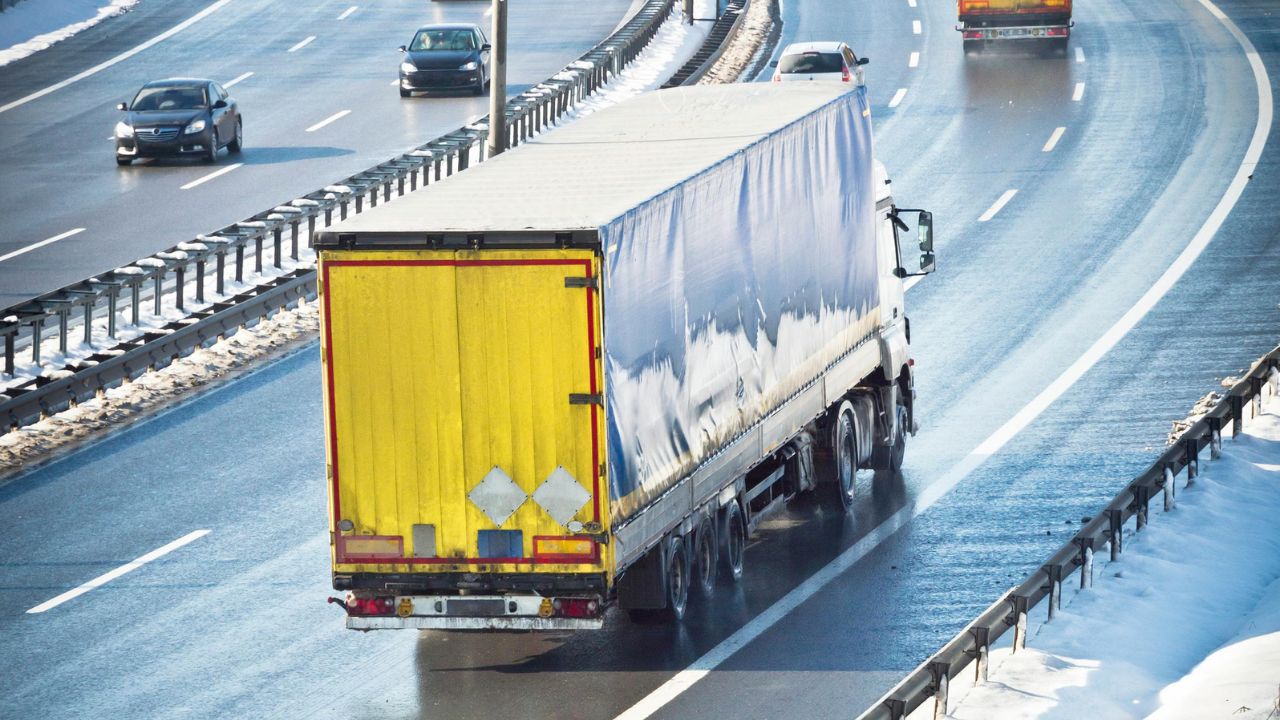
Seasonal hazards are winter weather conditions that dramatically increase collision and comprehensive coverage claims for commercial fleets. These hazards peak during December accident frequency periods when temperature drops create dangerous road surfaces.
Winter conditions reduce traction through snow accumulation, ice formation, and black ice—a nearly invisible layer that forms on bridges and overpasses. High-risk regions include Montana, Wyoming, North Dakota, Minnesota, Wisconsin, Michigan, and northeastern states where hazardous conditions persist from November through March. Impaired visibility from snowfall, sleet, and fog compounds these traction issues, creating multiple risk factors simultaneously.
Weather-related liability exposure increases exponentially for trucking insurance claims because stopping distances extend dramatically. Large commercial trucks require up to two football fields to stop in normal conditions. On ice, this distance is multiplied by ten. This extended braking requirement directly impacts motor truck cargo insurance rates and claim outcomes, as carriers face greater risk of rear-end collisions, jackknifing, and loss-of-control incidents. Black ice is particularly problematic because drivers cannot detect it until traction is already lost, making preventive action nearly impossible.
Winter weather conditions significantly increase both trucking insurance claims frequency and costs across all coverage types. December accident frequency spikes create concentrated liability exposure for commercial carriers, directly impacting collision and comprehensive coverage premiums. Weather-related liability claims surge because snow and ice conditions fundamentally alter stopping distances, visibility, and vehicle control. This elevated risk translates to measurable financial impact—the trucking industry absorbs $3.5 billion annually in weather delays alone, separate from direct accident costs. Motor truck cargo insurance rates reflect this reality, with commercial auto premiums rising 10.4% in Q1 2025 largely due to winter claim severity.
| Impact Area | Statistic | Source |
| Trucking fatalities (Nov-Jan) | 32% | National Safety Council |
| Weather crashes on snowy/icy roads | 24% annually | FHWA |
| Annual fatalities on icy pavement | 1,300+ | FHWA |
| Annual injuries on icy pavement | 116,800+ | FHWA |
| Weather delay costs the industry | $3.5 billion/year | FHWA |
| Commercial auto insurance increase (Q1 2025) | 10.4% | Industry Reports |
| Claims reduction with telematics | 30% | Insurers |
Winter weather trucking accidents fall into five primary categories that drive trucking insurance claims during peak December accident frequency periods. Multi-vehicle pileups lead to weather-related liability incidents, often triggered when one vehicle loses control on snow or ice, creating chain-reaction collisions. These incidents generate substantial collision and comprehensive coverage claims as multiple trucks and cargo loads sustain damage simultaneously.
Jackknifing occurs when trailer wheels lose traction, causing the trailer to swing outward at dangerous angles. This loss of control typically results in complete road blockage and often involves motor truck cargo insurance claims for damaged freight. Equipment breakdown claims spike during extreme cold—frozen brake lines prevent proper stopping, while gelled diesel fuel immobilizes trucks entirely. Both scenarios create liability exposure when disabled vehicles obstruct traffic or fail to stop.
In 2020, FMCSA data shows snow conditions caused 66 fatal crashes (1.5% of total), while fog contributed to 68 (1.5%). Blowing snow, freezing rain, and sleet collectively added 22 more fatal incidents. However, these statistics underrepresent total claim volume, as non-fatal accidents far outnumber fatalities.
Black ice presents unique weather-related liability challenges because it forms invisibly on bridges, overpasses, and shaded road sections. Drivers cannot detect black ice until traction is lost, making preventive action impossible and complicating fault determination in trucking insurance claims. Whiteout conditions eliminate forward visibility entirely, causing drivers to maintain highway speeds while effectively blind, resulting in catastrophic multi-vehicle collisions with extensive motor truck cargo insurance exposure.
Liability for winter weather trucking accidents typically involves multiple parties, making weather-related liability determination complex for trucking insurance claims. Truck drivers bear primary responsibility when they fail to adjust speed for conditions or violate duty of care standards. Courts recognize that professional drivers must reduce speed below posted limits when snow and ice create hazardous conditions. Failure to do so often results in driver liability, regardless of weather severity.
Trucking companies face liability exposure for inadequate winter training, poor vehicle maintenance, or policies that pressure drivers to travel during unsafe conditions. Motor truck cargo insurance claims frequently cite company negligence when carriers push December accident frequency risks by prioritizing delivery schedules over driver safety. Companies that document comprehensive winter protocols—including mandatory training and maintenance standards—demonstrate due diligence that reduces liability exposure.
Road maintenance agencies occasionally share liability in extreme cases where negligent snow removal or ice treatment contributed to collisions and comprehensive coverage claims. However, governmental immunity protections make agency liability difficult to establish.
Insurance carriers evaluate weather-related liability risk through multiple factors: operating region, historical incident frequency, telematics and dashcam usage, driver training documentation, and maintenance protocols. Carriers demonstrating proactive safety measures receive preferential underwriting treatment. Premium variance reflects this risk stratification—annual costs range from $3,552 in low-risk Mississippi to $20,763 in high-risk New Jersey, with winter operating zones heavily influencing rates. Fleets operating in Montana, Wyoming, Minnesota, Wisconsin, Michigan, and northeastern states face elevated premiums due to extended winter exposure from November through March.
Filing trucking insurance claims after winter weather incidents requires immediate, systematic documentation to establish weather-related liability and expedite collision and comprehensive coverage processing. Follow these essential steps:
1. Document the Accident Scene. Pull over safely away from traffic flow. Activate hazard flashers immediately and deploy reflective triangles at required distances. Contact dispatch to report the incident and request assistance. Photograph or video record road conditions, vehicle damage, weather conditions, and any visible ice or snow accumulation. Document skid marks, final vehicle positions, and cargo status for motor truck cargo insurance purposes. Time-stamped visual evidence proves critical for weather-related liability determination.
2. Report Immediately to Your Insurance Carrier: Notify your insurance company within hours, not days. Provide exact date, time, location, weather conditions, and all involved parties. December accident frequency periods create claim backlogs—early reporting accelerates processing. Include preliminary damage assessments for both collision and comprehensive coverage evaluation.
3. Gather Official Weather Data: Obtain National Weather Service reports, road condition statements from highway departments, and temperature records for the accident timeframe. Official meteorological data substantiates weather-related liability claims and counters potential arguments that conditions were manageable.
4. Secure Complete Police Reports: Ensure law enforcement documents the scene thoroughly. Police reports carry substantial weight in trucking insurance claims, particularly for establishing third-party liability and road condition verification at accident time.
5. Consult a Trucking Insurance Attorney: Contact specialized legal counsel if multiple parties are involved, injuries occurred, significant motor truck cargo insurance claims exist, or the carrier signals potential claim denial. Attorneys experienced in weather-related liability protect your interests during complex multi-party investigations.
Proactive winter preparation reduces trucking insurance claims by addressing the root causes of weather-related liability exposure. Implementing comprehensive equipment maintenance, driver training, and technology solutions directly lowers December accident frequency and minimizes collision and comprehensive coverage costs.
Managing winter trucking insurance risks requires understanding how snow and ice conditions change liability exposure and implementing preventive strategies that reduce claim frequency and severity.
Winter weather doesn't have to mean increased trucking insurance claims and higher premiums. Socal Truck Insurance specializes in collision and comprehensive coverage, motor truck cargo insurance, and weather-related liability protection tailored to commercial fleets operating in challenging conditions.
Our risk management experts help carriers reduce December accident frequency through proactive safety protocols and competitive coverage solutions. Contact Socal Truck Insurance today for a customized trucking insurance quote that addresses your winter operational risks and keeps your fleet protected year-round.
Call us now or request a free consultation to discuss your winter trucking insurance needs.