Key Takeaways:
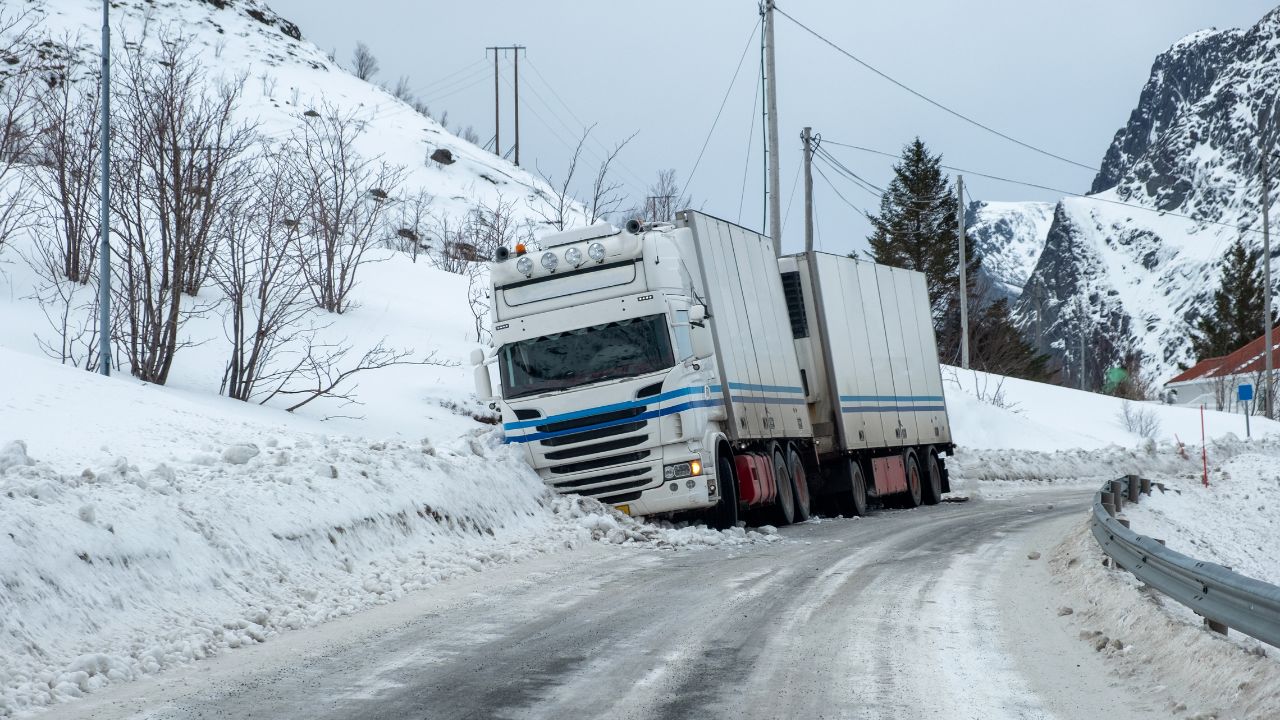
Winter accidents trigger expenses far beyond collision repairs. Hidden costs accumulate quickly through unplanned downtime costs, cargo spoilage and delays, and rental and replacement vehicles needed to maintain operations. Most fleet owners focus on immediate damage estimates while overlooking the financial cascade that follows.
The real impact emerges in post-claim premium impact, deductibles and surcharges that compound annually, and operational disruptions that affect customer relationships. A single winter incident can cost trucking companies 3-5 times the initial repair estimate when accounting for revenue losses, insurance adjustments, and safety score deterioration. These indirect costs persist for years, affecting coverage availability and competitive positioning. Understanding the complete financial exposure helps carriers prepare adequate reserves and implement preventive measures that protect both immediate cash flow and long-term insurability.
Winter accidents create compounding financial consequences that extend beyond visible damage. Cargo spoilage and delays from temperature-sensitive loads generate claims separate from vehicle repairs. Unplanned downtime costs multiply when fleets scramble for rental and replacement vehicles at premium winter rates. Deductibles and surcharges apply to each claim component—vehicle damage, cargo loss, and liability exposure—stacking costs quickly. Post-claim premium impact persists for 3-5 years, increasing annual insurance expenses even after repairs are complete. Weather-related incidents also trigger regulatory scrutiny that affects future insurability, creating hidden costs that dwarf the initial repair invoice.
| Cost Category | Average Impact | Long-Term Consequence |
| Unplanned Downtime Costs | $448-$760 per day per vehicle | Lost revenue, missed delivery deadlines, and customer dissatisfaction |
| Post-Claim Premium Impact | 25-30% annual increase | 3-5 years of elevated insurance costs, reduced coverage options |
| Driver Turnover Expenses | $8,000-$12,000 per replacement | Higher insurance rates for inexperienced drivers, and recruitment cycle costs |
| Revenue Loss from Contract Cancellations | 15-25% of annual contracts | Permanent customer relationships lost, reputation damage |
| FMCSA Safety Score Damage | CSA score increase of 10-20 points | Increased roadside inspections, Out-of-Service violations, and coverage denials |
| Legal and Liability Costs | $15,000-$3M depending on severity | Long-term litigation expenses, settlement costs, and regulatory penalties |
Winter accidents create financial exposure across multiple categories simultaneously. Cargo spoilage and delays compound vehicle damage claims, while deductibles and surcharges apply to each component. The need for rental and replacement vehicles during repairs adds immediate cash flow pressure that many carriers underestimate.
Unplanned downtime costs average $448 to $760 per day per vehicle following winter accidents. This figure represents only direct vehicle unavailability—the actual financial impact escalates when factoring in cargo spoilage and delays, particularly for temperature-sensitive or time-critical freight. Weather-related road closures compound these losses by extending repair timelines and limiting access to parts and service facilities.
Lost revenue from missed deadlines triggers penalty clauses in transportation contracts, often costing 10-20% of the shipment value. Carriers typically need rental and replacement vehicles to maintain service commitments, but winter demand drives rental rates 40-60% higher than standard periods. These costs accumulate daily while repairs proceed. Deductibles and surcharges apply before cargo insurance coverage begins, creating immediate cash flow pressure. The combination of out-of-service vehicles, expedited rental costs, and contract penalties creates a financial cascade that exceeds the initial collision damage estimate by 300-500%, with post-claim premium impact persisting for years afterward.
Winter accidents create dual financial burdens through immediate post-claim premium impact and long-term safety score deterioration. Insurance underwriters classify weather-related incidents as preventability indicators, examining whether carriers demonstrated reasonable care through speed reduction, route adjustments, or operational shutdowns. When investigations reveal failure to adapt to hazardous conditions, carriers face preventable accident classifications that permanently affect coverage terms.
Post-claim premium impact extends beyond the initial renewal cycle. Deductibles and surcharges apply immediately, while base premium increases compound annually for 3-5 years. Carriers operating in high-risk winter regions face additional scrutiny, with underwriters analyzing loss runs for patterns indicating inadequate preparation. The combination of elevated premiums, higher deductibles and surcharges, and increased costs for rental and replacement vehicles during subsequent incidents creates escalating insurance expenses that affect profit margins substantially.
FMCSA safety scores integrate accident data into CSA profiles, affecting regulatory standing and future insurability. Each reportable winter incident contributes to Crash Indicator BASIC scores, triggering intervention thresholds that lead to audits, inspections, and potential coverage restrictions. The interplay between premium increases and safety score damage creates compounding costs that persist long after cargo spoilage and delays are resolved.
Snow and ice accidents generate 25% premium increases at renewal, while combined weather conditions push increases to 30%. Post-claim premium impact persists for 36-60 months, with deductibles and surcharges often doubling for weather-related coverage. Carriers with multiple winter incidents face premium increases exceeding 50%, with some insurers declining renewal entirely.
The classification of preventable versus non-preventable accidents determines severity. Preventable winter accidents—those where carriers ignored weather warnings or failed to implement safety protocols—result in maximum premium penalties. These increases compound when combined with costs from unplanned downtime costs and cargo spoilage, and delays, as underwriters view pattern behavior as high-risk. Carriers may also face mandatory safety equipment requirements or driver training stipulations to maintain coverage, adding indirect costs to the post-claim premium impact.
Winter accidents directly elevate CSA scores in the Crash Indicator BASIC category. Each reportable incident adds points based on severity, time weighting, and preventability determination. Scores approaching 65-100 trigger FMCSA intervention, including roadside inspection increases and compliance reviews that compound operational costs through unplanned downtime costs.
Higher CSA scores create cascading insurance consequences. Insurers use FMCSA data as primary underwriting criteria, with elevated scores resulting in automatic premium increases independent of actual claims. Out-of-Service violations from heightened inspection frequency further damage scores, creating a negative cycle. Carriers with poor safety ratings face limited coverage options, forcing them to accept higher deductibles and surcharges or specialized high-risk policies. The combination of regulatory scrutiny and post-claim premium impact makes FMCSA score protection critical for maintaining affordable truck insurance and avoiding the need for expensive rental and replacement vehicles during enforcement actions.
Winter accidents accelerate driver departures at rates 30-40% higher than standard turnover. Safety incidents damage driver confidence and create workplace stress that triggers resignations, particularly among experienced operators who have employment alternatives. This turnover compounds unplanned downtime costs when routes go unfilled and cargo spoilage and delays result from schedule disruptions.
Recruiting and training replacement drivers costs $8,000 to $12,000 per hire, including advertising, background checks, orientation, and reduced productivity during the learning period. The immediate need for rental and replacement vehicles increases when driver shortages prevent the utilization of available equipment. New drivers generate higher post-claim premium impact because insurers classify inexperienced operators as elevated risk, adding 15-25% to base premiums regardless of the new driver's individual record.
This creates a negative insurance cost cycle: winter accidents cause turnover, turnover forces hiring less experienced drivers, inexperienced drivers increase insurance costs and accident likelihood, leading to higher deductibles and surcharges. The cycle compounds annually, making driver retention after winter incidents critical for controlling long-term insurance expenses and operational stability.
Proactive risk management directly reduces post-claim premium impact and prevents the cascading costs that follow winter incidents. Carriers demonstrating safety commitment through documented programs, technology investments, and comprehensive preparation receive premium discounts of 15-25% while avoiding unplanned downtime costs and cargo spoilage, and delays. The key lies in creating verifiable evidence of winter preparedness before accidents occur, reducing both claim frequency and the severity of deductibles and surcharges when incidents do happen. Prevention also minimizes the need for expensive rental and replacement vehicles and protects FMCSA safety scores that determine long-term insurability and coverage costs.
Telematics and ADAS systems earn up to 20% premium discounts while providing objective evidence during claim investigations. These systems monitor real-time driving behavior, demonstrating speed reduction and increased following distance in adverse conditions—critical factors that reduce post-claim premium impact.
Weather-resistant technology, including GPS tracking, automated braking systems, and electronic stability controls, reduces accident likelihood in snow and ice. Insurers value these investments when calculating deductibles and surcharges, often offering lower rates for equipped fleets.
Maintenance monitoring systems track tire conditions, brake performance, and fluid levels—preventing mechanical failures that cause unplanned downtime costs and cargo spoilage, and delays. Documented maintenance through connected systems strengthens claims defense and demonstrates operational diligence that underwriters reward with favorable terms, reducing the need for rental and replacement vehicles during preventable breakdowns.
Police reports provide official accident records establishing initial fault determinations—critical for minimizing post-claim premium impact and preventing preventable accident classifications that increase deductibles and surcharges.
Immediate photo documentation of accident scenes, vehicle damage, and weather conditions creates verifiable evidence that protects against disputed claims and reduces settlement delays that extend unplanned downtime costs.
Complete financial records, including repair estimates, receipts, medical records, and expense tracking (medical costs, repairs, lost wages) ensure accurate claims processing and prevent underpayment that forces carriers to absorb additional costs.
Timely submission protocols prevent processing delays that extend the period before rental and replacement vehicles can be authorized, reducing out-of-pocket expenses and cash flow pressure.
Cargo documentation proving temperature controls, loading procedures, and delivery attempts protects against cargo spoilage and delays claims that compound vehicle damage costs. Comprehensive documentation positions carriers favorably during claims investigations, often resulting in faster settlements and more favorable preventability determinations that minimize long-term premium increases.
Winter accidents generate expenses 3-5 times higher than initial repair estimates when accounting for all hidden costs. Unplanned downtime costs of $448-$760 daily combine with cargo spoilage and delays, while deductibles and surcharges apply to multiple claim components simultaneously. The immediate need for rental and replacement vehicles strains cash flow, and post-claim premium impact persists for 3-5 years with increases of 25-30% annually.
Driver turnover accelerates following safety incidents, adding $8,000-$12,000 per replacement while creating negative insurance cycles. FMCSA safety score damage triggers regulatory scrutiny that compounds operational costs through increased inspections and enforcement actions. Revenue losses from contract cancellations often exceed the accident costs themselves.
Proactive prevention through technology investments, comprehensive documentation, and verified safety programs reduces these hidden costs substantially. Carriers who invest in telematics, ADAS systems, and weather-resistant equipment earn premium discounts up to 25% while protecting against the cascading financial consequences of winter incidents. The choice is clear: invest in prevention now, or absorb substantially higher costs later when post-claim premium impact and operational disruptions damage long-term profitability and competitive positioning.
Socal Truck Insurance specializes in protecting carriers from the hidden costs of winter accidents. Our expertise in reducing post-claim premium impact, minimizing deductibles and surcharges, and optimizing FMCSA safety profiles. We help trucking companies in California secure competitive truck insurance rates while strengthening operational resilience. We work directly with fleets to implement proactive risk management strategies that prevent unplanned downtime costs, cargo spoilage and delays, and the expensive need for rental and replacement vehicles.
Don't wait until winter weather creates costly claims that damage your insurance profile for years. Contact Socal Truck Insurance today for a comprehensive coverage review and discover how proper preparation reduces premiums while protecting your fleet.
Call us today or browse our website to schedule your winter insurance consultation.