Key Takeaways:
December generates predictable insurance claim spikes for trucking fleets. Claims occur 32% more frequently November through January due to holiday traffic, winter weather, and delivery pressure. Understanding patterns isn't enough—systematic prevention through safety checklists converts knowledge into action. Fleets achieving 91-100% checklist compliance experience 35% claim frequency reductions.
December's claim surge stems from converging risk factors that individually stress operations but collectively create dangerous conditions.
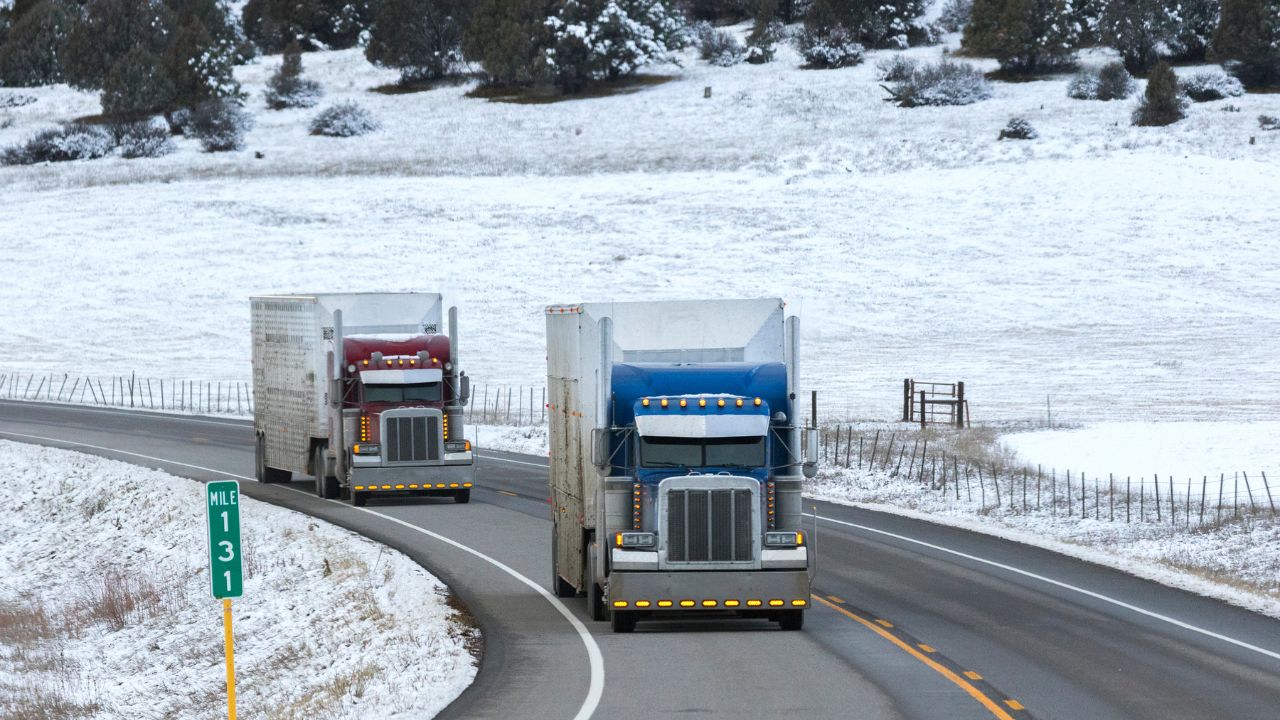
December truck crashes produce 382 fatalities—the highest of any month. Thirty-two percent of annual truck accident deaths occur November through January. Snow and ice factor in 24% of weather-related crashes. Holiday season spans November to mid-January with peak risk Wednesday before Thanksgiving through January 1. Shorter daylight hours force more driving in darkness when visibility suffers from weather.
AAA reported nearly 104 million people traveled by road during the 2023 holiday season. Fifteen-point-five percent of drivers report receiving unrealistically tight delivery schedules creating 7.5 times higher risk-taking behavior including driving despite fatigue, bad weather, or heavy traffic.
Twenty-two percent of large truck crashes are rear-end collisions costing 5-6 times more than backing incidents. Thirty-six percent involve jackknifing. Cargo losses increase from accidents and theft—holiday season represents peak cargo theft period. Slip-and-fall incidents multiply at loading facilities. Cold weather increases breakdown assistance through engine problems and frozen fuel lines.
Checklists translate safety policies into daily execution. The gap between knowing what to do and actually doing it determines whether December destroys or improves your loss ratio.
Ninety-one to 100% checklist compliance produces 35% claim frequency reduction. Comprehensive checklists cover seven categories: pre-trip inspections, winterization, cargo securement, fatigue management, route planning, safety technology, and documentation. Systematic documentation shows proactive risk management to underwriters.
Driver fatigue factors in 13% of all large truck crashes and 31-40% of fatal-to-the-truck-driver crashes. After 10 hours driving, crash risk increases 5.5 times. Pre-trip inspection priorities: brakes, lights, windshield wipers, tires, heater and defroster systems.
Premium discounts of 10-25% are available for strong safety programs. ADAS technology provides 5:1 ROI through crash reduction. Combined fatigue management produces 42% claim reduction. Understanding fleet safety programs and insurance savings connections helps quantify checklist value.
Historical claim analysis reveals which checklist items matter most. Generic checklists miss fleet-specific vulnerabilities that your loss runs highlight.
Compare December claim frequency and severity against other months. Look for patterns across multiple years. Loss ratio represents incurred losses to earned premiums. High year-end loss ratios are red flags for insurers.
Tight delivery schedules correlate with increased violations. Drivers with unrealistic schedules were 10.9 times more likely to believe regulations were often violated. Track CSA scores and run updated MVRs for all drivers.
Determine whether claims were preventable. Question whether proper inspections were documented. Assess if adequate rest breaks were taken. Verify if weather conditions were monitored. Confirm whether safety technology was operational.
Systematic checklist development ensures comprehensive coverage without creating documents so lengthy drivers ignore them. Structure determines usability.
Seven-category structure: pre-trip inspections, winterization, cargo securement, fatigue management, route planning, safety technology, and documentation. Each category addresses distinct failure modes producing December claims.
Driver: self-assessment, inspections, documentation. Dispatch: route planning, scheduling adjustments. Maintenance: winterization, equipment checks. Management: audits, compliance monitoring. Clear accountability prevents overlooked items.
Pre-trip: vehicle inspection, driver readiness, route review, weather check. En route: break verification, fatigue monitoring. Post-trip: incident reporting, condition changes. Regular breaks every three hours keep fatigue in a safe zone.
Compliance drops when checklists become excessively long. Digital tools simplify lengthy checklists through conditional logic. Focus on high-impact items preventing common December claims.
Driver readiness determines whether vehicles operated safely get operated by people capable of safe operation. Equipment checks mean nothing if the operator isn't fit for duty.
Adequate sleep, food, and exercise critical for alertness. A consistent sleep schedule regulates the body's internal clock. Nutritious meals and hydration support quality sleep. Self-assessment should identify fatigue signs: difficulty focusing, frequent yawning, heavy eyelids.
Clean MVRs qualify drivers for preferred rates. Verify current CDL with proper endorsements. Confirm medical certification is current. Check HOS logs are accurate and compliant. Documentation gaps can lead to nuclear verdict exposure averaging $27.5 million.
Leave ample following distance. Reduce speed in winter conditions. Limit cell phone usage. Monitor weather and traffic continuously. Map backup routes. Recognize when conditions require stopping rather than continuing.
Vehicle condition determines whether good drivers can operate safely or get placed in situations where skill can't compensate for equipment failure.
Pre-trip focus: brakes, lights, windshield wipers, tires, heater and defroster systems. Anti-gel fuel additives prevent diesel freezing. Verify fuel tank topped off. Understanding inadequate vehicle maintenance affects truck insurance clarifies why these items can't be skipped.
Winter tires require regular wear and inflation checks. Tire pressure drops in cold weather. Brake systems must be inspected for ice buildup. All lights must be clean and functional. Windshield wipers must be in good condition. Low-temperature windshield washer fluid prevents freezing. Equipment that works adequately in summer fails catastrophically in winter if not properly maintained.
Low-temperature windshield washer fluid essential. Engine coolant levels must be adequate for extreme cold. Battery performance degrades in cold temperatures. Verify battery charge levels before each trip. Diesel exhaust fluid can freeze.
Telematics provides real-time vehicle condition data. Many insurers offer discounts up to 40% for fleets sharing telematics data. Technology supplements human judgment during fatigue or stress.
Route planning either creates or eliminates the conditions where driver skill and vehicle condition get tested beyond their limits.
Monitor weather and traffic continuously. Schedule deliveries during off-peak hours. Map backup routes. Account for slower speeds due to winter conditions. Build flexibility into schedules for delays.
Fifteen-point-five percent of drivers report unrealistically tight schedules creating 7.5 times higher risk-taking. Recognize when delivery windows are unrealistic given conditions. Adjust timelines when weather forecasts predict severe conditions.
After 10 hours driving, crash risk increases 5.5 times. Regular breaks every three hours keep fatigue in a safe zone. Twenty to 30-minute naps help alleviate drowsiness. Dispatch should build mandatory rest periods into December schedules.
Cargo that shifts, falls, or gets stolen creates claims. Securement isn't about tightening straps—it's about physics, theft prevention, and temperature management.
Verify all securement straps, chains, and binders properly tensioned. Cold temperatures affect strap tension—recheck after initial miles. Ensure load distribution accounts for reduced traction. Check no cargo extends beyond legal limits.
The holiday season represents the peak cargo theft period. Verify secure parking locations. Check trailer seals are intact. Ensure king pin locks are used when unattended.
Temperature-sensitive cargo faces additional exposure from extreme cold and equipment failures. Reefer unit functionality must be verified before departure and monitored en route. Confirm proper temperature settings for specific cargo requirements. Check that reefer fuel levels are adequate for the entire trip duration. Verify temperature monitoring devices are functional. Document temperature readings at key intervals. Have contingency plans for reefer failures during transit. One frozen load can generate claims exceeding annual premium savings from inadequate coverage.
Post-incident response either limits or multiplies claim costs. Evidence preservation and immediate reporting determine whether claims get resolved quickly or escalate into litigation.
Ensure scene safety—set out warning triangles and flares. Check for injuries and call emergency services if needed. Notify law enforcement as required by jurisdiction. Contact dispatch and fleet manager immediately. Do not admit fault or discuss details with other parties beyond required information exchange. Complete accident report form while details are fresh. Preserve evidence—do not move vehicles unless required for safety. Document witness information and statements. Immediate actions during first minutes after incidents affect final claim costs more than most fleets realize.
Photograph vehicle damage from multiple angles. Capture weather conditions—snow, ice on road, visibility. Document road surface conditions. Photograph traffic control devices, signage, road markings. Record skid marks, debris patterns, final vehicle positions. Photograph any contributing factors like potholes, poor lighting, obstructions. Capture timestamp and GPS location data. Document cargo condition and securement status. Preserve dash cam footage immediately—ensure it's saved and not overwritten. Evidence gathered at the scene determines whether your commercial truck insurance claim gets resolved favorably or whether fraudulent claims succeed.
Immediate notification to dispatch and fleet manager within minutes. Complete internal incident report same day while memory is fresh. Insurance notification typically required within 24-72 hours depending on policy. Delay in reporting can affect claim validity and defense options. Early notification allows insurance to secure evidence and begin investigation. Quick reporting demonstrates procedural compliance valued by insurers. Documentation speed affects ability to defend against inflated claims. Claims reported late look suspicious regardless of actual circumstances.
Technology converts checklist completion from memory-dependent tasks into prompted, documented processes. Digital tools don't guarantee compliance but they eliminate excuses for non-compliance.
Electronic logging devices integrate with digital inspection apps. Mobile apps allow photo documentation of conditions. Digital signatures confirm completion. GPS timestamps verify when and where inspections occurred. Conditional logic shows only relevant checklist items based on responses. Automatic reminders prompt timely completion. Integration eliminates duplicate data entry across systems. Cloud storage ensures checklists are accessible for audits. Paper checklists get lost, ignored, or filled out retrospectively. Digital checklists create audit trails proving actual compliance.
Telematics and in-cab video represent the most effective ways to reduce insurance costs. Technology provides real-time data on driver behavior, allowing targeted coaching and risk mitigation. Provides invaluable evidence to exonerate drivers in not-at-fault accidents, protecting loss ratio. Many insurers offer substantial discounts up to 40% for fleets sharing telematics data. Wearable devices track sleep duration, quality, and consistency. Smartphone apps monitor sleep patterns and identify areas for improvement. Collision avoidance systems actively prevent accidents. Lane departure warnings alert fatigued drivers. Technology supplements human judgment during moments when fatigue or stress degrade decision-making.
Checklist completion rates by driver and terminal. Inspection failure rates and common defects identified. HOS compliance metrics and violation trends. Dash cam incident alerts and review status. Telematics safety scores and risky behavior patterns. Maintenance work order completion times. Incident report submissions and investigation status. Real-time fleet location and weather exposure monitoring. Dashboards convert raw data into actionable intelligence showing which drivers, terminals, or routes need intervention before incidents occur.
Training determines whether checklists get completed properly or become checkbox exercises that don't actually verify conditions. Implementation quality matters more than checklist design.
December-specific risk factors: increased traffic, weather hazards, delivery pressure. Proper winter driving techniques for ice and reduced visibility. Fatigue recognition and management strategies. Emergency kit contents and usage. Proper checklist completion procedures and documentation requirements. Technology tool usage: ELDs, telematics, dash cams. Cargo securement for winter conditions. Route planning and adjustment protocols. Incident reporting procedures. Review of previous December incidents and lessons learned. Training before pressure builds establishes expectations for behavior during pressure.
Open communication encourages dialogue among drivers about challenges. Education and training provide ongoing safety instruction. Community support fosters awareness within the trucking community. Safety prioritization emphasizes that adequate rest is essential for personal health and road safety. Regular surveys asking what works and what doesn't. Driver safety committee representation in checklist updates. Testing checklist changes with pilot group before fleet-wide rollout. Recognition of drivers who identify improvement opportunities. Drivers comply with systems they helped create more than systems imposed on them.
Premium discounts of 10-25% available for strong safety programs can be shared with drivers. Safety bonus programs tied to checklist compliance rates. Recognition awards for consistent completion without violations. Preferred scheduling and routes for top safety performers. Public recognition in company communications. Safety milestone celebrations. Individual safety score reporting showing performance trends. Peer recognition programs where drivers nominate colleagues. Incentives must be significant enough to influence behavior but structured to reward compliance rather than gaming the system.
Measurement separates activities from results. Checklists completed don't matter if claims don't decrease. Implementing effective fleet management habits to lower truck insurance premiums requires tracking outcomes, not just inputs.
Ninety-one to 100% checklist compliance produces 35% claim frequency reduction. Combined fatigue management produces 42% claim reduction. Compare December claim frequency against previous years. Track claim severity—average cost per incident. Monitor preventable versus non-preventable accident ratios. Measure CSA score changes during December period. Calculate DOT inspection pass rates. Track HOS violation rates. Monitor equipment failure rates during inspections. Leading indicators like compliance rates predict lagging indicators like claim frequency.
Loss ratio comparison: ratio of incurred losses to earned premiums. Claim count per 100,000 miles driven. Average claim cost trends. Incident rates by claim type: rear-end, jackknife, cargo. Compare against industry benchmarks where available. Account for changes in fleet size, routes, or operations. Normalize data for exposure differences—more or fewer miles driven. Separate weather-related incidents from preventable behaviors. Valid comparisons require controlling for variables that changed beyond your control.
Add items addressing newly identified risk factors. Remove checklist items that proved redundant or impractical. Adjust inspection frequency based on failure rates. Update technology integration based on adoption rates. Refine training based on violation patterns. Modify incentive structures based on effectiveness. Enhance documentation where insurance disputes occurred. Streamline processes where completion rates lagged. Continuous improvement requires honest assessment of what worked and what didn't. Repeating unsuccessful approaches guarantees unsuccessful results.
Preparation separates fleets that control December from those December controls. Implementation timing determines whether systems function during a crisis or fail when needed most.
Vehicle winterization items—tires, fluids, heating systems—must be completed before first freezing. Driver training on December-specific risks complete by early November. Technology system testing—ELDs, telematics, cameras—verify all operations. Emergency kit distribution ensures all vehicles are equipped. Route and scheduling reviews identify problematic routes before peak season. Maintenance backlog clearance addresses all deferred items. Documentation system setup ensures reporting mechanisms are functional. Prioritization means some items get completed even if not everything gets completed. Starting everything simultaneously guarantees nothing gets completed well.
Safety manager: final checklist approval and training coordination. Operations manager: distribution and implementation oversight. Maintenance manager: vehicle inspection standard verification. Compliance officer: regulatory alignment confirmation. Insurance broker: loss control program alignment review. Terminal managers: location-specific implementation and daily audits. Drivers: acknowledgment of receipt and understanding. Executive leadership: resource allocation approval. Clear ownership ensures accountability. Shared responsibility without specific assignments guarantees nothing happens.
Premium discounts of 10-25% available for strong safety programs. Strong safety records backed by year-end compliance audits serve as powerful negotiating tools. Documentation of systematic processes proves risk management commitment that underwriters credit. Share checklist structure and completion data with insurance brokers. Align inspection standards with carrier loss-control requirements. Demonstrate technology adoption—telematics, cameras—that earns discounts. Document training programs and participation rates. Provide evidence of incident investigation and corrective action processes. Schedule a pre-December meeting with an insurance partner to review preparedness. Alignment ensures efforts produce both safety improvements and premium reductions.
December claim patterns repeat annually with remarkable consistency. Thirty-two percent of annual truck accident deaths occur November through January. Three hundred eighty-two fatalities in December truck crashes exceed every other month. These statistics don't surprise anyone who's managed a fleet through the holiday season. What separates successful fleets from struggling ones isn't awareness—it's systematic prevention through documented, audited safety checklists.
SoCal Truck Insurance specializes in helping California, Arizona, and Texas fleets develop safety programs that reduce claims while lowering premiums. Our understanding of checklist compliance impacts on underwriting decisions helps clients structure programs that insurance carriers reward. We coordinate pre-December readiness reviews ensuring your preparation aligns with carrier loss-control expectations.
Don't let December determine your renewal terms. Contact us today to develop comprehensive safety checklist strategies that position your fleet for favorable underwriting treatment and competitive pricing year-round.