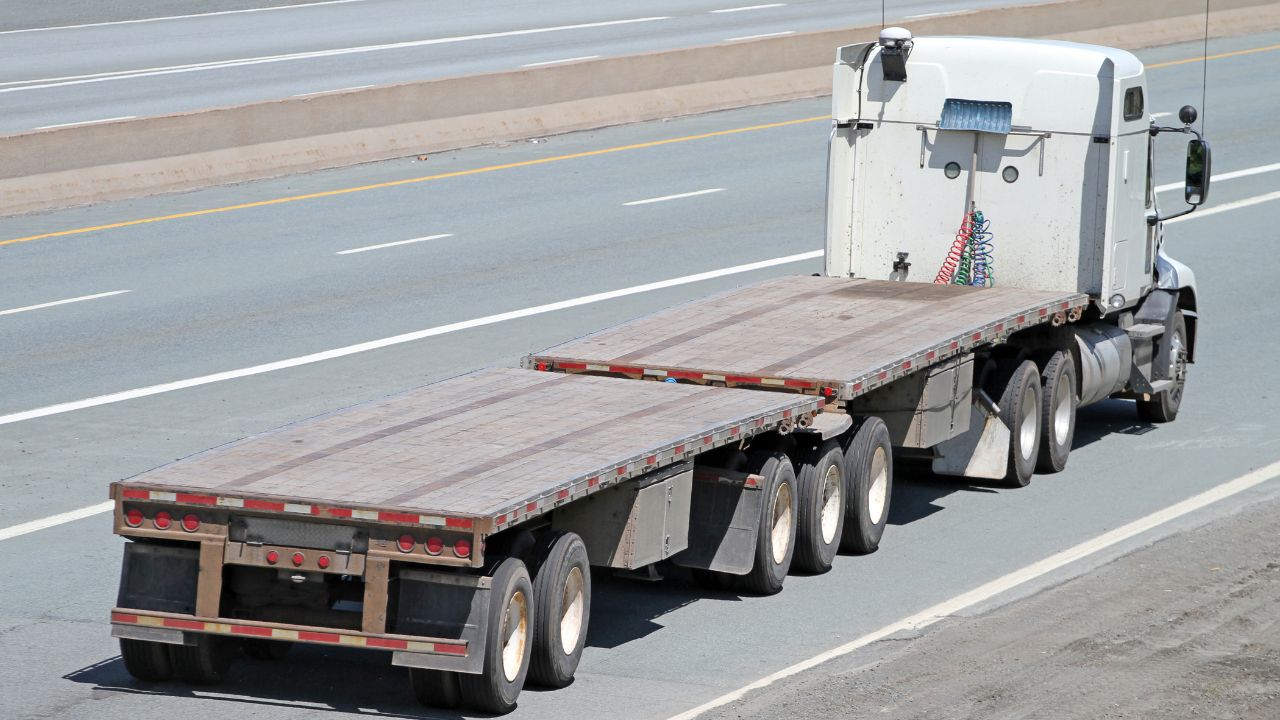
Flatbed truck insurance provides specialized protection for carriers transporting open cargo on trailers without sides or roofs. These operations face distinct exposures that standard commercial trucking insurance may not adequately address. The open design creates liability scenarios ranging from weather damage to catastrophic multi-vehicle accidents caused by shifting loads. Understanding the unique risks coverage requirements for flatbed operations is essential for protecting your business from financial devastation.
Flatbed truck insurance is a specialized form of commercial trucking insurance designed to address the elevated risks associated with hauling exposed cargo. Standard truck insurance policies often contain exclusions or limitations that leave flatbed operators vulnerable to substantial out-of-pocket losses. The combination of open cargo exposure, complex securement requirements, and oversized load transportation creates liability scenarios that can exceed basic policy limits. Securing comprehensive coverage specifically tailored to flatbed operations protects carriers from both cargo damage claims and third-party injury lawsuits.
Flatbed trucks are open trailers with no sides or roof, exposing cargo to weather and requiring specialized securement methods. These vehicles account for 18.3% of the commercial trucking market share, serving industries like construction, manufacturing, and heavy equipment transport. Dry van trucks, which hold 36.2% market share, are enclosed non-climate-controlled trailers that protect cargo from external elements. Reefer trucks are insulated trailers with active cooling units designed for temperature-sensitive freight like pharmaceuticals and perishables.
Cargo falling from improperly secured flatbed loads creates immediate danger to surrounding motorists and infrastructure. Multi-vehicle accidents caused by shifting cargo represent the most severe liability exposure in flatbed operations, often resulting in claims exceeding $500,000. Weather exposure damages cargo during transit, while improper weight distribution can cause rollovers on highway curves. Load securement failures triggered by inadequate tie-downs or worn equipment account for the majority of preventable common causes of commercial trucking claims involving flatbed carriers.
Flatbed truck insurance requires additional endorsements beyond the standard liability protection and physical damage coverage found in basic policies. While dry van operations typically need only cargo coverage for theft or collision damage, flatbed carriers face exposures from weather, securement equipment failure, and load-related accidents. Specialized endorsements for tarping equipment, chains, binders, and enhanced cargo limits are essential for comprehensive flatbed protection. Premium structures reflect these elevated risks, with flatbed policies costing substantially more than comparable dry van coverage.
Reefer Breakdown Coverage protects against cargo loss caused by mechanical or electrical failure of the temperature control system. This endorsement is critical for carriers transporting perishable goods, as a single refrigeration unit malfunction can destroy loads valued at hundreds of thousands of dollars. Standard cargo policies exclude losses from equipment failure, making this specialized coverage essential for cold chain operations. Comparing reefer truck insurance in California for perishable cargo requirements helps flatbed operators understand the spectrum of specialized commercial truck endorsements available.
Enhanced cargo coverage with limits of $250,000 or higher protects against the full replacement value of oversized or heavy machinery loads. Tarping and securement equipment coverage reimburses carriers for damaged or stolen chains, binders, straps, and protective covers used to secure cargo. Riggers' liability endorsement covers third-party injuries or property damage occurring during loading and unloading operations, which standard policies exclude. These specialized endorsements address gaps in 10 must-have coverage options for commercial truck insurance policy frameworks that apply broadly across all trucking operations.
Comprehensive flatbed truck insurance combines multiple coverage layers to address cargo damage, equipment loss, and catastrophic liability scenarios. Each component serves a distinct function in protecting the carrier's financial stability against operational risks. Understanding how these elements work together prevents costly coverage gaps that could bankrupt a small fleet after a single incident. Proper policy construction requires balancing adequate limits against premium affordability, particularly for independent owner-operators managing tight profit margins.
Enhanced cargo and securement coverage adds $1,500 to $3,000 annually to base premiums but protects against total cargo loss scenarios. A carrier with a $50,000 cargo limit faced a $130,000 out-of-pocket loss on a $180,000 load destruction when equipment shifted during emergency braking. Standard policies typically provide only $50,000 to $100,000 cargo limits, which prove insufficient for machinery, steel, or construction material shipments. Increasing cargo limits to match the actual value of typical loads prevents financial catastrophe when securement failures occur.
Tarping and securement equipment coverage reimburses carriers for stolen or damaged chains, binders, straps, and weather-protective tarps. A complete set of flatbed securement equipment can cost $8,000 to $15,000, representing a significant capital investment for small operators. This endorsement typically costs $200 to $400 annually and covers replacement when equipment is stolen from unsecured parking areas. Understanding how insurance requirements change by cargo type helps carriers identify when tarping coverage becomes essential versus optional.
Liability limits of $1 million or higher are essential for flatbed operations due to the severe multi-vehicle accident potential. Cargo that detaches at highway speeds can cause chain-reaction collisions involving dozens of vehicles and multiple fatalities. Standard $750,000 liability policies prove inadequate when medical expenses, wrongful death claims, and infrastructure damage exceed basic policy limits. Excess liability coverage provides additional protection beyond primary limits, costing approximately $500 to $1,200 annually for each additional $1 million layer.
Federal Motor Carrier Safety Administration regulations establish strict cargo securement standards that directly affect insurance claim eligibility. Insurers routinely investigate accidents to determine whether carriers complied with tie-down requirements and weight distribution mandates. Non-compliance discovered during claims investigation provides insurers with grounds to deny coverage entirely, leaving carriers personally liable for damages. Understanding the connection between FMCSA vs California insurance requirements helps carriers maintain both regulatory compliance and insurance coverage validity.
FMCSA cargo securement regulations under 49 CFR Parts 392 and 393 specify minimum tie-down requirements based on cargo weight and dimensions. Loads under 10,000 pounds require at least two tie-downs, while heavier cargo needs additional securement points at specific intervals. Working load limits for chains, straps, and binders must meet or exceed calculated forces based on cargo weight and anticipated movement. These standards apply universally to flatbed operations, with violations documented during roadside inspections and accident investigations.
Flatbed coverage becomes void if insufficient tie-downs are found during post-accident investigation by insurance adjusters or law enforcement. Flatbed claims are denied for failure to adhere to FMCSA cargo securement regulations, leaving carriers personally liable for all damages. Documented violations during the 12 months preceding an accident can also provide insurers grounds for policy rescission or non-renewal. Maintaining rigorous compliance with securement standards protects both safety records and insurance coverage validity in the event of load-related accidents.
Flatbed insurance claims typically involve either cargo damage from weather exposure or catastrophic liability events from securement failures. The open design creates vulnerability to rain, wind, and road debris that enclosed trailers protect against automatically. Claim severity in flatbed operations often exceeds dry van incidents due to the multi-vehicle accident potential when cargo detaches. Understanding these patterns helps carriers implement risk management strategies that reduce both claim frequency and insurance premium costs.
Improper tarping allows rain infiltration that damages moisture-sensitive materials like lumber, drywall, or paper products during overnight transit. Insufficient tie-down tension permits cargo shifting during sharp turns or emergency braking, causing load imbalance and potential rollovers. Wind damage occurs when tarps tear loose at highway speeds, exposing cargo to debris impacts or allowing lightweight materials to blow off. Overloading beyond trailer capacity ratings causes structural failure, resulting in both cargo loss and potential third-party property damage.
California single-vehicle annual premiums range from $18,000 to $30,000, reflecting the state's dense traffic and high claim severity environment. California fleet annual premiums range from $35,000 to $60,000, with costs increasing based on driver safety records and cargo value exposure. These elevated rates stem from flatbed operations' statistically higher claim frequency compared to enclosed trailer configurations. Carriers operating in high-risk corridors or transporting particularly valuable cargo face premiums at the upper end of these ranges.
Digital monitoring systems and artificial intelligence are transforming how insurers assess flatbed operation risks and price policies accordingly. Real-time data collection through dashboard cameras and load sensors provides insurers with objective evidence of securement practices and driver behavior. These technological developments enable more precise risk differentiation, rewarding safe operators with lower premiums while identifying high-risk carriers. Understanding technological advancements on commercial truck insurance costs helps flatbed operators leverage these tools for a competitive advantage.
Telematics systems monitor harsh braking events, speeding incidents, and hours-of-service compliance to create predictive risk profiles for individual drivers. Artificial intelligence algorithms analyze patterns across thousands of data points to identify carriers likely to file claims before accidents occur. Load sensor technology verifies proper weight distribution and can alert drivers to shifting cargo before securement failures develop. Insurers increasingly offer premium discounts of 10% to 25% for carriers demonstrating strong safety performance through telematics data.
Usage-based insurance uses dynamic pricing models based on real-time data rather than historical actuarial tables and static risk classifications. Carriers pay premiums calculated from actual miles driven, cargo types hauled, and documented safety behaviors during each policy period. This approach benefits low-mileage operators or carriers serving less hazardous routes by eliminating subsidies for higher-risk peers. UBI models require continuous data sharing, which some operators resist due to privacy concerns or fear of increased scrutiny.
Insurers conduct thorough investigations after flatbed accidents to determine whether carriers met minimum securement standards required by federal regulations. Photographic evidence from accident scenes revealing insufficient tie-downs or improper load distribution provides clear grounds for coverage denial. Post-accident analysis of equipment condition, maintenance records, and driver training documentation reveals patterns of non-compliance that invalidate policy coverage. Carriers often learn too late that cutting corners on securement equipment or training creates coverage gaps that no policy can bridge. Understanding the 5 absolute best tips for motor truck cargo insurance helps operators maintain both compliance and coverage validity across all cargo types, including flatbed operations.
Flatbed operators must balance comprehensive coverage against premium costs while maintaining strict compliance with federal securement regulations. The combination of enhanced cargo limits, specialized equipment endorsements, and elevated liability protection creates premium structures significantly higher than basic commercial truck policies. However, the financial consequences of inadequate coverage far exceed any short-term savings from reduced policy limits. Investing in proper flatbed truck insurance protects carriers from the catastrophic losses that a single securement failure can trigger.
Flatbed hauling demands a proactive approach to risk management that extends beyond purchasing adequate insurance coverage. Regular equipment inspection, driver training on proper securement techniques, and documentation of compliance efforts strengthen both safety performance and claims defensibility. Carriers who treat insurance as one component of comprehensive risk management rather than a mandatory expense position themselves for long-term operational success. When evaluating coverage options and seeking guidance on flatbed-specific endorsements, working with experienced truck insurance professionals ensures protection tailored to your operation's unique exposures.
SoCal Truck Insurance specializes in optimizing commercial truck insurance coverage for flatbed operators throughout California and beyond. Our team understands the specific challenges flatbed carriers face and can structure policies that provide comprehensive protection at competitive rates.
Flatbed hauling carries exposures that standard commercial policies often leave underinsured — from load securement failures to catastrophic multi-vehicle claims. SoCal Truck Insurance has spent 25+ years structuring flatbed-specific coverage for owner-operators and fleets across Southern California, including enhanced cargo limits, tarping and securement equipment endorsements, riggers' liability, and excess layers above your primary policy.
Our dedicated bilingual agents shop multiple carriers to match your operation with the right combination of coverage and price, and we're available 24/7 whenever a claim, endorsement change, or compliance question can't wait. Contact us today for a free flatbed truck insurance quote, or stop by our Downey office to talk through your coverage with a specialist who understands what flatbed carriers actually face on the road.