Refrigerated truck insurance delivers specialized protection for carriers hauling temperature-sensitive goods across supply chains. This coverage addresses the distinct risks of mechanical breakdowns, cargo spoilage, and regulatory compliance requirements that standard policies do not adequately cover. Operators transporting perishables face financial exposure from equipment failures that can destroy entire loads within hours. The cold chain demands insurance solutions designed specifically for the operational realities of reefer truck insurance in California for perishable cargo.
Key Takeaways
Refrigerated truck insurance provides financial protection against losses from temperature control failures and cargo spoilage during transit. This specialized coverage protects carriers from catastrophic financial losses when mechanical or electrical systems fail to maintain required temperatures. Standard commercial trucking insurance does not cover spoilage caused by equipment malfunctions. Carriers without proper coverage face total out-of-pocket liability for destroyed loads.
Reefer breakdown coverage protects against cargo loss caused by mechanical or electrical failure of temperature control systems. This endorsement covers spoilage resulting from equipment malfunctions beyond the operator's control. Reefer breakdown coverage costs $600 to $1,000 annually for newer units with clean maintenance records. High-value pharmaceutical lanes can require $3,000 to $6,000 in annual premiums due to elevated cargo values.
Standard truck insurance excludes losses from temperature control failures and cargo spoilage. Refrigerated policies include reefer breakdown endorsements that specifically address mechanical and electrical system failures. Basic commercial policies assume cargo remains stable regardless of environmental conditions. Temperature-sensitive cargo requires active equipment monitoring and immediate response to system alerts.
Mechanical failures represent the primary threat to refrigerated cargo integrity and financial stability. Temperature control systems can fail without warning due to electrical malfunctions or component breakdowns. Cargo spoilage in refrigerated transport occurs rapidly once temperature thresholds are exceeded. A $550,000 cargo damage loss resulted from mechanical repair delays during transit.
Mechanical or electrical failure of temperature control systems destroys cargo value within hours of occurrence. Compressor failures, electrical shorts, and refrigerant leaks trigger immediate temperature increases. A $500,000 loss occurred from the unintentional thawing of tuna containers during a cross-country haul. Equipment age, maintenance history, and operating conditions directly influence breakdown frequency and severity.
The Food Safety Modernization Act establishes mandatory temperature monitoring and documentation requirements for perishable food transport. Carriers must maintain continuous temperature records and demonstrate compliance with established protocols. Failure to adhere to FMCSA cargo securement regulations can void coverage during claims investigations. Non-compliance with temperature control standards exposes carriers to both insurance denials and regulatory penalties.
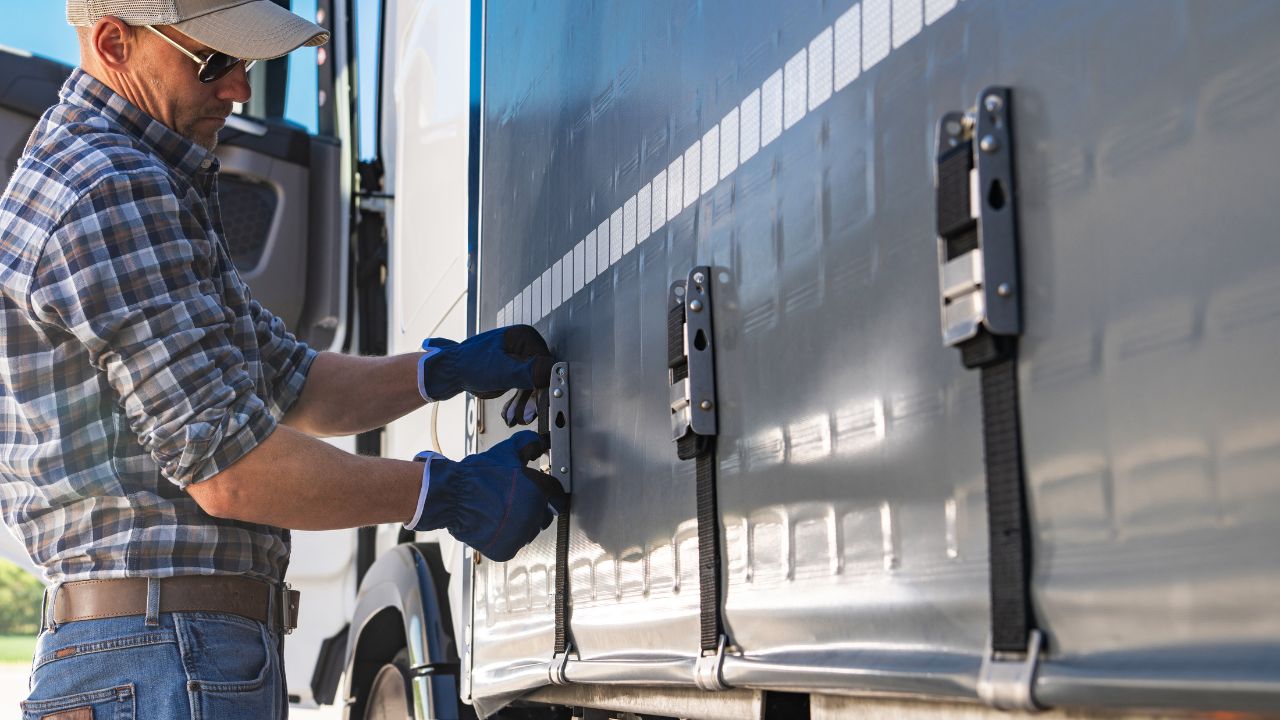
Claims are denied if failure results from operator error, such as running out of fuel during transit. Insurers require proof that equipment malfunctions occurred despite proper operation and adequate fuel supply. Claims are denied for lack of documented preventative maintenance on temperature control equipment. Investigation reveals insufficient tie-downs can result in claim denial when cargo shifts damage refrigeration components.
Dry van trucks hold approximately 36.2% market share in commercial trucking operations. Refrigerated trucks account for roughly 12.5% of the commercial truck insurance market. Flatbed trucks represent about 18.3% of insured commercial vehicles. Tanker trucks comprise approximately 15.2% of the specialized truck insurance segment.
Dry van insurance provides basic cargo protection without specialized equipment coverage requirements. Flatbed policies require enhanced securement and tarping endorsements due to exposed cargo liability. Refrigerated insurance mandates reefer breakdown coverage and temperature monitoring compliance. Each truck type presents distinct operational hazards requiring specific policy endorsements.
Refrigerated carriers face liability exposure from both cargo loss and potential food safety violations. Temperature deviations that compromise food safety can trigger product recalls and consumer health claims. Understanding liability coverage for your box truck insurance helps operators assess their exposure levels. Pharmaceutical transport adds additional liability layers due to FDA compliance requirements and medication integrity standards.
California single-vehicle annual premiums range from $18,000 to $30,000 for refrigerated operations. California fleet annual premiums typically span $35,000 to $60,000, depending on unit count and cargo types. Enhanced cargo and securement coverage adds $1,500 to $3,000 annually to base premium costs. Geographic operating areas, driver experience, and claims history create significant premium variations.
Reefer breakdown coverage stands as the most critical endorsement for temperature-controlled transport operations. This protection specifically addresses mechanical and electrical failures that compromise cargo integrity. Carriers without this endorsement absorb complete financial responsibility for spoiled loads. The 10 must-have coverage options for commercial truck insurance policy packages should include temperature control protections.
Reefer breakdown policies trigger when temperature control system failures occur despite proper operation and maintenance. Coverage applies to mechanical breakdowns, electrical failures, and refrigerant system malfunctions. Policies typically exclude failures from operator negligence, inadequate fuel, or deferred maintenance. Insurers review maintenance logs and temperature monitoring records before approving claims.
A carrier with a $50,000 cargo limit faced a $130,000 out-of-pocket loss on a $180,000 destroyed load. Enhanced cargo coverage often requires $250,000 or higher limits versus standard coverage minimums. Higher limits protect against catastrophic losses but increase annual premium expenditures proportionally. The importance of cargo insurance for commercial trucking becomes critical when transporting perishable goods.
Documented maintenance schedules serve as primary evidence supporting reefer breakdown claims. Insurers require service records demonstrating regular inspections, repairs, and component replacements. Missing maintenance documentation frequently results in claim denials regardless of the actual equipment condition. Digital maintenance tracking systems provide timestamped records that insurers accept as valid proof.
AI algorithms analyze real-time data such as harsh braking, speeding, and hours of service violations. These systems create predictive risk scores from telematics data collected continuously during operations. Fleets demonstrating consistent safety performance through data monitoring secure premium reductions. Technology integration transforms insurance from reactive claims processing to proactive risk prevention.
Telematics systems monitor temperature fluctuations, door openings, and equipment performance metrics in real time. Instant alerts notify operators of temperature deviations before cargo spoilage occurs. Telematics and data technology to lower tow truck insurance costs applies equally to refrigerated operations. Data-driven safety improvements reduce both accidents and insurance premiums over time.
Usage-based insurance represents a dynamic pricing model based on real-time telematics data collection. Premiums adjust according to actual driving behaviors, route characteristics, and equipment performance metrics. Safe operators with clean telematics profiles receive lower rates than high-risk counterparts. This model aligns insurance costs directly with demonstrated operational safety performance.
Coverage scope receives a priority ranking of 92 out of 100 among fleet manager insurance considerations. Risk mitigation ranks at 88 out of 100 in fleet insurance purchasing decisions. Cost and premium considerations score 85 out of 100 in importance rankings. Claims support receives an 80 out of 100 priority ranking, while specialty needs score 75 out of 100. The fleet safety program and insurance savings connection drive premium reductions through documented safety improvements.
Urban corridors have higher premiums than rural or agricultural regions due to accident frequency and severity. Dense traffic, limited maneuvering space, and elevated collision rates increase urban insurance costs. Cargo theft in urban corridors adds another layer of risk requiring additional coverage. Metropolitan areas present both operational challenges and elevated insurance requirements.
Urban refrigerated operations face congestion, frequent stops, and increased accident exposure. Limited parking availability forces drivers into high-risk loading zones and unauthorized spaces. Stop-and-go traffic increases equipment wear and fuel consumption, affecting breakdown frequency. Premium surcharges in metropolitan markets reflect these elevated operational hazards.
Agricultural regions generate high volumes of perishable goods requiring immediate refrigerated transport. Rural operations typically involve longer hauls between fewer destinations with lower accident rates. Temperature-sensitive cargo in agricultural areas often requires perishable goods protection from farm to distribution center. Lower population density translates to reduced collision risk but increases breakdown severity due to remote locations.
The Food Safety Modernization Act mandates temperature monitoring and documentation for food transport operations. Compliance requires continuous temperature recording equipment and driver training on proper handling protocols. Violations can void insurance coverage and trigger regulatory enforcement actions. Temperature control compliance documentation serves dual purposes, protecting both regulatory standing and insurance validity.
FSMA establishes specific temperature thresholds and monitoring requirements for different perishable food categories. Carriers must demonstrate continuous compliance through documented temperature logs and equipment certifications. Insurance claims require proof that temperature control systems operated within specified parameters throughout transit. Non-compliance with federal standards provides insurers with grounds for coverage denial.
Pharmaceutical transport demands stricter temperature tolerances and enhanced security measures beyond standard food requirements. These loads require specialized coverage endorsements addressing medication integrity and FDA compliance standards. Premium costs increase proportionally to cargo values and regulatory compliance complexity. For bilingual operators, seguro de camiones comerciales en California provides Spanish-language insurance guidance.
A cheap policy costing $8,600 annually versus a best value policy at $23,050 creates substantial coverage gaps. One carrier saved $800 annually by choosing lower cargo limits but lost $130,000 on a single claim. Improper load securement, causing cargo to shift or fall, voids coverage during claims investigations. Short-term premium savings disappear instantly when inadequate coverage fails to protect against catastrophic losses.
Refrigerated truck insurance requires specialized coverage addressing temperature control failures and perishable cargo protection. Carriers must balance comprehensive protection against premium costs while maintaining regulatory compliance. Documentation of preventative maintenance and temperature monitoring strengthens both insurance validity and claim approval rates. Strategic coverage selection protects businesses from financial devastation while supporting long-term operational sustainability.
SoCal Truck Insurance specializes in protecting refrigerated carriers with customized coverage solutions designed for temperature-sensitive cargo operations. Their experienced agents understand the unique challenges of maintaining the cold chain and protecting perishable goods during transit.
One mechanical failure can wipe out a six-figure perishable load before you reach the next exit — and a standard policy will not pay the bill. SoCal Truck Insurance has placed reefer breakdown, cargo, and physical damage coverage for Southern California carriers for more than 25 years, and we shop multiple carriers (Progressive, Canal, Infinity) to match your maintenance record, lanes, and cargo values to a policy that actually pays when the compressor quits.
Your dedicated bilingual agent — Irma Perez, Maria Meza, or another specialist on our team — will walk you through endorsement options, documentation requirements, and premium-reduction strategies built around your operation. We answer 24/7, because a refrigeration alarm at 2 a.m. is not a Monday-morning problem. Contact SoCal Truck Insurance today to discuss your specific needs with a dedicated agent who understands refrigerated transport insurance.