On-hook towing insurance protects customer vehicles from physical damage during the towing process itself. This specialized coverage fills a critical gap that standard commercial auto liability and garagekeepers policies don't address, making it essential for towing operators.
The distinction between coverage types often confuses operators, leading to expensive gaps in protection. Understanding when each policy activates and what risks it covers prevents financial disasters that can destroy a towing business overnight.
Key Takeaways
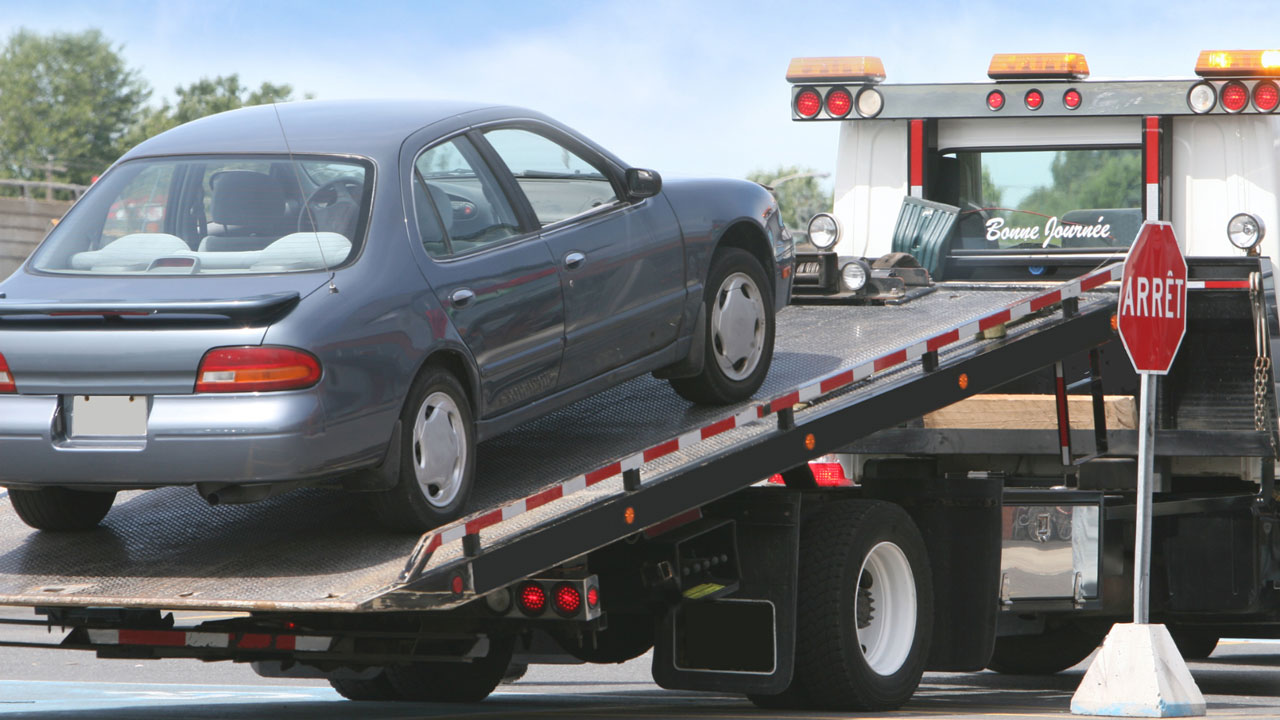
On-hook towing insurance covers physical damage to a customer's vehicle while it is being towed, loaded, or unloaded. The policy responds to damage occurring from the moment the vehicle connects to your truck until disconnection at the destination.
This coverage protects against financial liability when a customer's vehicle sustains damage during your active handling. Without it, operators personally absorb repair or replacement costs that can reach tens of thousands of dollars per incident.
On-hook towing insurance responds to collision damage when the towed vehicle is struck or impacts another object during transit. Coverage extends to rollover incidents where the vehicle tips or falls from the tow truck bed or lift.
Fire damage during towing operations triggers on-hook coverage, as do theft and vandalism events occurring while the vehicle remains connected. These perils represent the most common claim scenarios that operators face during daily towing operations.
On-hook coverage activates the moment you begin hooking the vehicle and remains active throughout transit until complete unloading. Garagekeepers' liability takes over once the vehicle enters storage at your facility, creating a clear handoff between coverage types.
The distinction eliminates confusion about which policy responds to damage claims at different operational stages. This separation ensures comprehensive protection throughout the entire customer vehicle lifecycle from pickup through storage.
Every operator who physically tows non-owned vehicles requires on-hook towing insurance regardless of operation size. Light-duty roadside assistance providers face the same exposure risks as heavy-duty recovery operations when handling customer property.
Urban operators show 92% adoption rates compared to 68% for rural operators, reflecting higher traffic density and collision frequency. Even single-truck independent operators face catastrophic financial exposure without this essential coverage layer protecting their business.
On-hook insurance addresses a specific risk window that other common misconceptions about tow truck insurance often overlook or misunderstand. Each coverage type protects distinct phases of towing operations, creating a comprehensive risk management system when properly combined.
Operators frequently confuse these coverage distinctions, leading to dangerous gaps in protection during critical operational moments. Understanding which policy responds to specific scenarios prevents personal financial liability that can exceed hundreds of thousands of dollars.
Garagekeepers coverage addresses damage to customer vehicles while they are stored at the operator's facility location. The policy covers fire at the storage facility, theft from the storage lot, and vandalism occurring at the premises.
Garagekeepers explicitly exclude damage occurring while the vehicle is being actively towed by your equipment. This exclusion creates the critical distinction that makes on-hook coverage necessary for complete operational protection.
Commercial auto liability protects against bodily injury and property damage caused to third parties while operating the tow truck. The importance of commercial auto insurance for tow trucks cannot be overstated, as it forms the foundation of legal compliance.
This coverage excludes damage to the customer's towed vehicle and the operator's own truck equipment. Third-party bodily injury and third-party property damage represent the only scenarios where commercial auto liability responds to claims.
One operator towed a vehicle to storage for overnight impound when an electrical fire damaged three vehicles. The operator carried $100,000 on-hook coverage but no garagekeepers liability, leaving them personally liable for $140,000 in uninsured damages.
A towed car rear-ended during transit triggers an on-hook claim, not commercial auto liability coverage. Customer slips and falls in the dispatch office represent garage liability claims, while stored vehicles damaged in lot fires require garagekeepers coverage.
Tow operators prioritize multiple factors when selecting insurance coverage, with cost considerations competing against comprehensive protection needs. Understanding these decision drivers helps operators find the best tow truck insurance provider in California that matches their specific operational requirements.
Market data reveals clear patterns in how different operator segments evaluate and select their insurance coverage packages. These priorities shift based on business size, geographic location, and operational specialization within the towing industry.
Premium rates drive purchasing decisions for 35% of operators who view insurance as their largest controllable expense. Coverage scope ranks as the primary concern for 25% of buyers who prioritize comprehensive protection over cost savings.
Deductible options influence 12% of operators who balance upfront premium costs against potential out-of-pocket claim expenses. Operators seeking affordable coverage for tow trucks in California must weigh these competing priorities carefully to avoid dangerous coverage gaps.
Claims process efficiency ranks as the top priority for 20% of operators who cannot afford operational delays. Provider reputation influences 8% of purchasing decisions, particularly among operators who experienced poor service from previous carriers.
Fast claims resolution directly impacts cash flow and customer satisfaction for towing businesses operating on thin margins. Operators value carriers demonstrating deep industry knowledge and responsive support over generic insurance companies lacking specialized experience.
Urban operators adopt on-hook coverage at 92% rates compared to 68% for rural operators based on exposure differences. Metropolitan operators face higher traffic density, increased collision frequency, and more high-value vehicle tows requiring comprehensive protection.
Rural operators may prioritize factors affecting tow truck insurance rates differently based on lower claim frequency but potentially longer tow distances. Geographic differences create distinct risk profiles that require customized coverage approaches rather than one-size-fits-all policy packages.
California imposes strict regulatory requirements on tow truck operators that directly influence insurance coverage decisions and minimum limits. Understanding liability collision and comprehensive insurance for tow trucks in the California context helps operators maintain legal compliance while protecting their businesses.
State regulations establish baseline coverage mandates, but practical operational requirements often demand significantly higher limits than legal minimums. Operators pursuing lucrative contracts must meet enhanced insurance requirements that exceed standard state-mandated levels.
California requires minimum liability coverage of $15,000 bodily injury per person, $30,000 per accident, and $5,000 property damage. These state minimums are rarely sufficient for commercial towing operations exposed to high-value vehicle damage and injury claims.
Most carriers recommend a minimum of $300,000 combined single limits for professional towing operations to address realistic exposure scenarios. The gap between legal minimums and practical requirements creates confusion for new operators entering the industry.
CHP rotation programs require operators to maintain a minimum of $100,000 on-hook coverage and $50,000 garagekeepers coverage for program participation. These enhanced requirements reflect the higher-value vehicles and increased liability exposure associated with highway patrol dispatch contracts.
Rotation program eligibility provides steady revenue streams that justify the higher insurance costs and stricter coverage requirements. Operators must balance premium increases against the guaranteed call volume and income stability these programs provide.
Motor Carrier Permit requirements mandate that operators obtain their MCP from the DMV to operate legally in California. The MCP process requires liability insurance ranging from $300,000 to $5,000,000, depending on the specific operation type and scope.
Operators must first obtain a Carrier Identification Number from CHP before applying for their Motor Carrier Permit. The permit application requires proof of liability insurance and workers' compensation coverage meeting state-mandated minimum thresholds for commercial operations.
Comprehensive tow truck insurance packages combine multiple coverage layers addressing different risk exposures throughout towing operations. Understanding how these components work together helps operators build complete protection without paying for unnecessary duplicate coverage.
Policy structure typically bundles liability protection, physical damage coverage, and specialized towing endorsements into integrated packages. Each component serves a distinct purpose in the overall risk management strategy for professional towing operations.
On-hook typical limits range from $50,000 to $250,000 with annual premiums between $600 and $2,400 depending on coverage scope. Garagekeepers annual premiums range from $1,000 to $3,500 based on storage capacity and facility security measures.
Average annual premium for single truck operations reaches $8,839, representing $737 monthly for basic commercial trucking insurance protection. These costs scale significantly for multi-truck fleets requiring expanded coverage limits and broader operational endorsements.
Commercial auto liability represents over 45% of market share as the foundational coverage required for all operators. On-hook coverage accounts for 15% of the coverage market while garagekeepers represents 10% of total policy premiums.
Bundled insurance packages combine these coverage types into integrated policies offering simplified administration and potential premium discounts. This packaging approach ensures comprehensive protection while streamlining policy management for operators focused on running their businesses rather than managing insurance.
On-hook coverage excludes mechanical breakdown, cargo inside vehicles, wear and tear, and vehicles in storage at facilities. These exclusions create specific gaps requiring separate coverage endorsements or alternative insurance products to address completely.
Garagekeepers exclude damage occurring while vehicles are being actively towed, creating a clear separation with on-hook coverage. Commercial auto liability excludes damage to customers' towed vehicles and the operator's own truck equipment, requiring physical damage coverage instead.
On-hook towing insurance, garagekeepers liability, and commercial auto coverage form an integrated protection system for towing operators. Each policy activates during specific operational phases, creating seamless coverage throughout the complete customer vehicle lifecycle from pickup through final release.
Understanding how these policies coordinate prevents dangerous coverage gaps where no insurance responds to legitimate damage claims. Operators who grasp these distinctions make informed decisions about independent operators vs fleet owners when structuring their insurance programs.
California's towing industry represents a $2.0 billion market with 4,975 businesses employing 17,498 workers across the state. This substantial economic presence reflects the essential service towing operators provide to motorists and law enforcement agencies daily.
On-hook towing insurance protects operators from catastrophic financial exposure that could destroy their business after a single incident. The coverage fills critical gaps that commercial auto liability and garagekeepers policies explicitly exclude, making it indispensable for professional operations.
Operators who understand coverage distinctions and maintain comprehensive liability protection position themselves for sustainable long-term success in California's competitive market. SoCal Truck Insurance has helped thousands of towing operators structure complete coverage packages that protect their income-generating assets while maintaining compliance with state regulations.
Running a towing business in California means handling other people's vehicles every single day, and one uncovered incident can wipe out months of revenue. SoCal Truck Insurance has spent 25+ years helping tow operators across Los Angeles, Orange County, San Diego, the Inland Empire, and Long Beach build on-hook policies that close the gaps that garagekeepers and commercial auto liability leave behind. Our dedicated bilingual agents shop multiple carriers to match the right limits to your operation, whether you run a single truck or a full CHP rotation fleet. We answer the phone 24/7, so when a claim happens, you reach a real person who knows your business, not a call center script.
Protect your towing business with comprehensive coverage designed specifically for California operators. Contact our experienced team today to discuss your on-hook insurance needs and build a customized policy that keeps your operation protected.